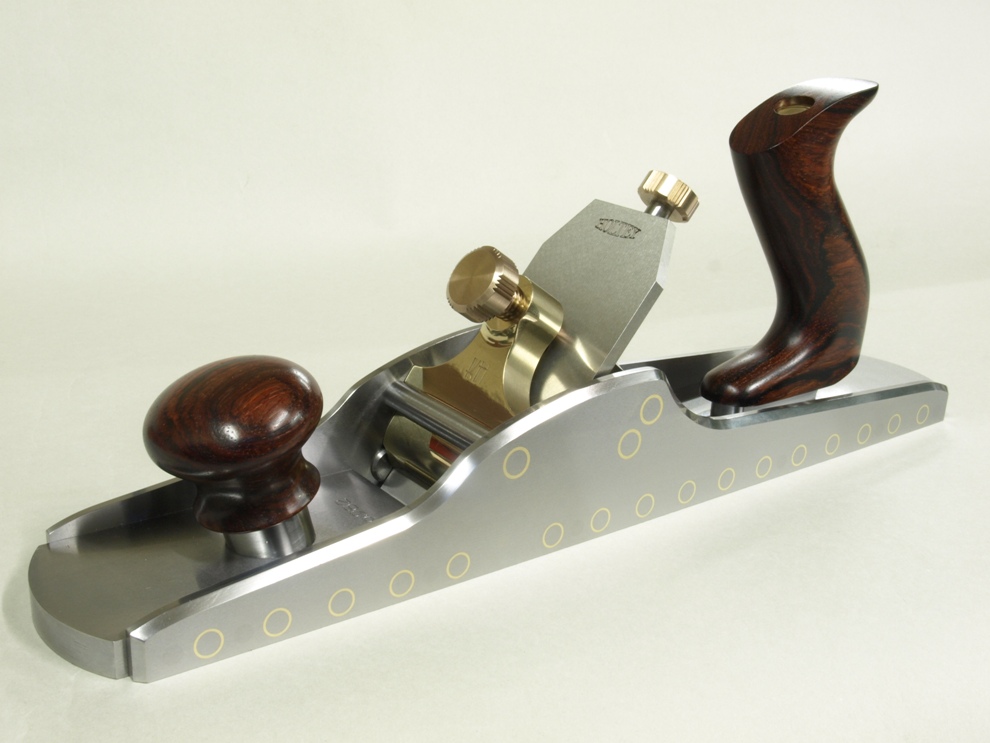
Some pictures of the completed No 982 panel planes (14 1/2″). I made a limited edition of 8 of these planes, a few were made with the brass cones.
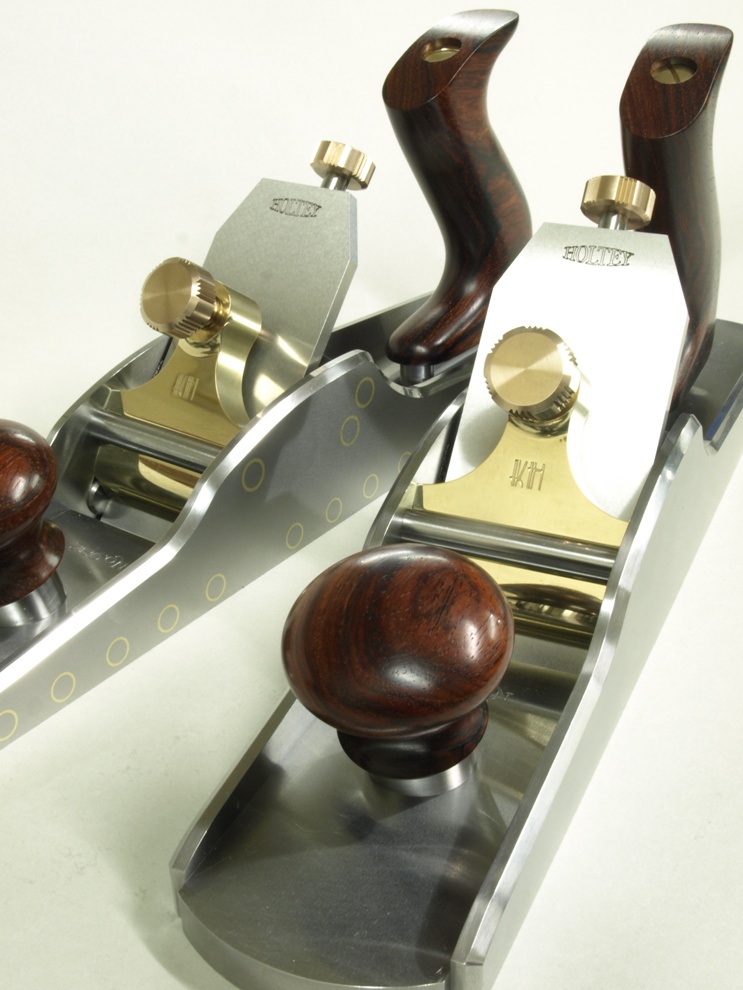
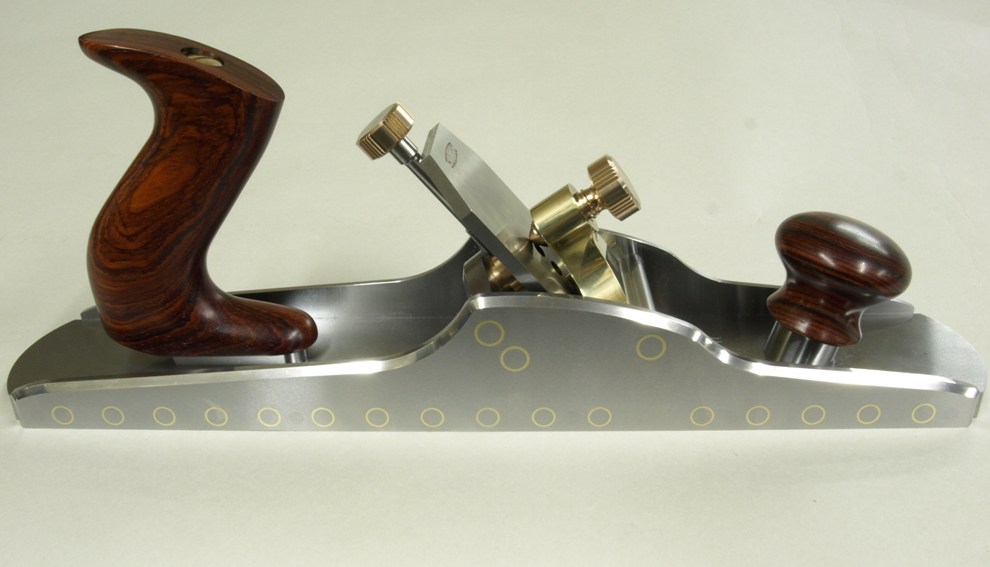
Some pictures of the completed No 982 panel planes (14 1/2″). I made a limited edition of 8 of these planes, a few were made with the brass cones.
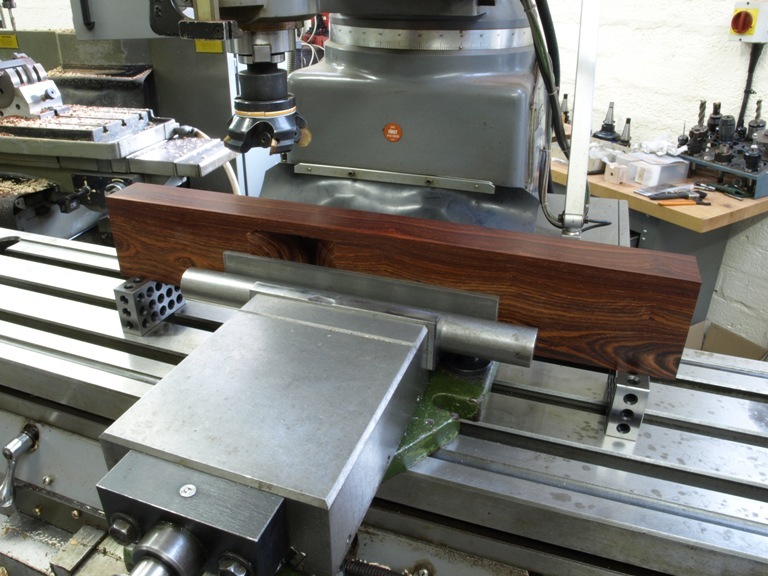
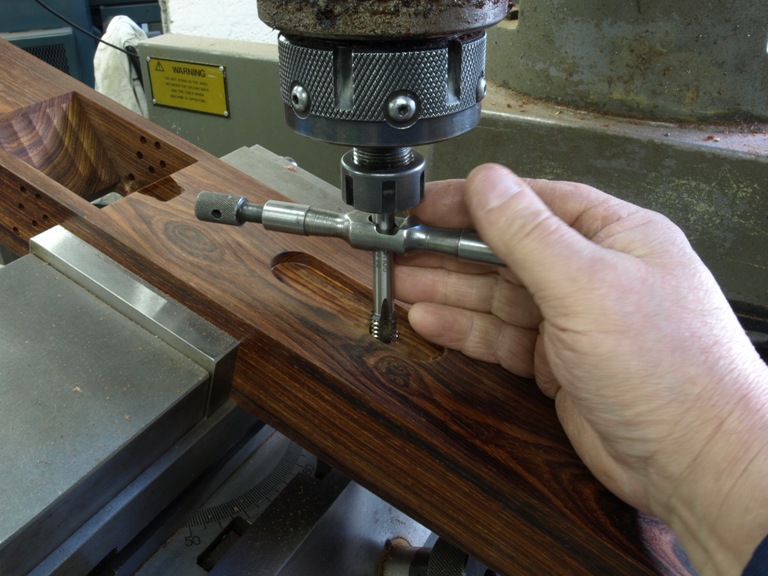
I thought I would put this picture up for the benefit of the customer who is buying it. I plane all round for truing up. As you will notice I have chosen to do all my planing on the milling machine as it will plane true without any tearing when it comes to the more difficult grains. I achieve more accuracy this way than I would do on an ordinary planer/thicknesser.
T21 Transitional Dovetailed Jointer Plane
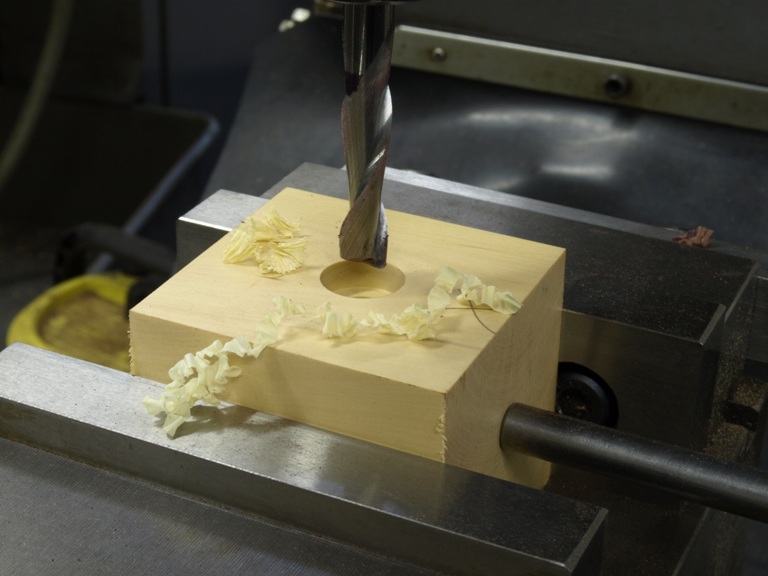
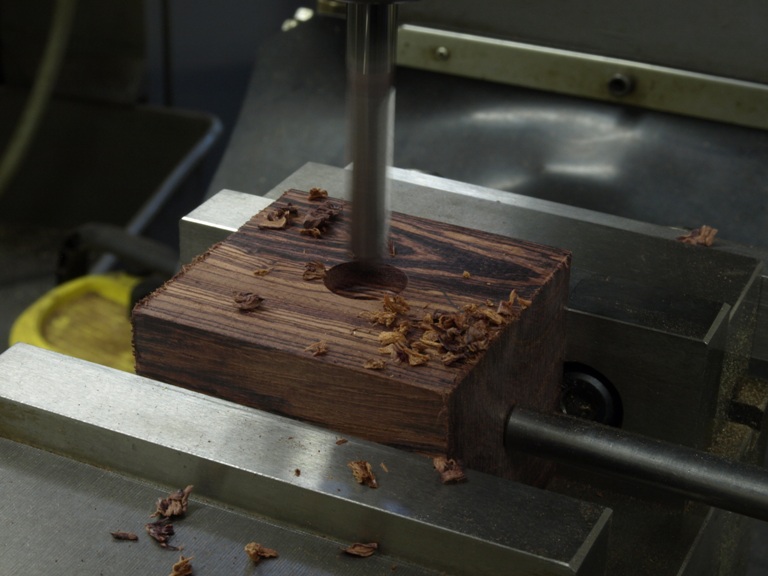
Boring and counter boring the hole in the bun blank for the fixing stud.
T21 Transitional Plane
I will be working to finish the blog on the T21 today, so I thought I would leave you with these pictures in the meantime.
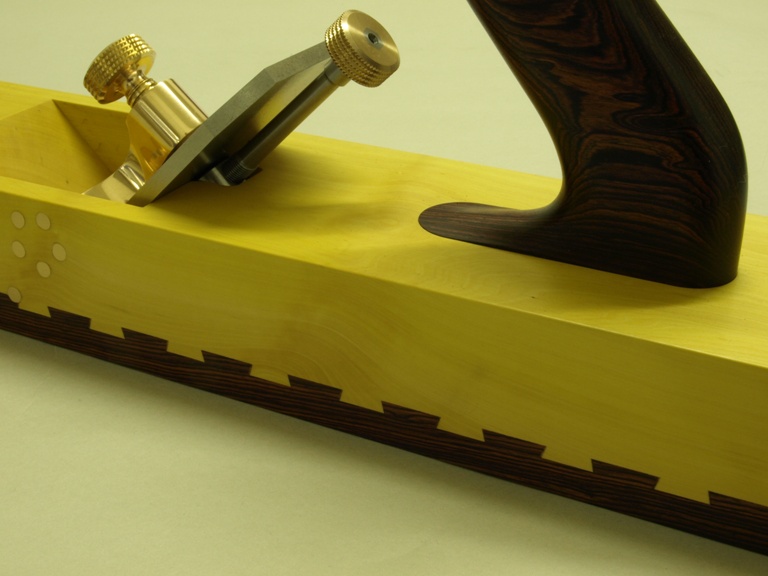
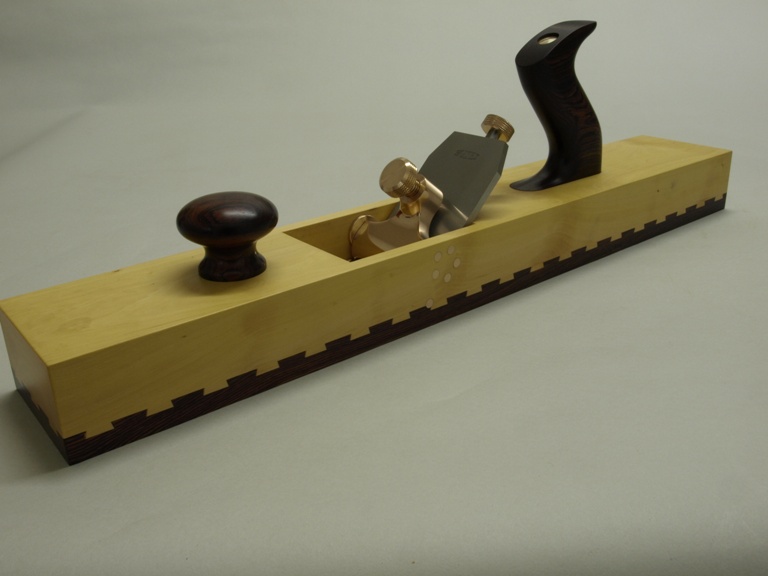
T21 Transitional Plane – Bushing
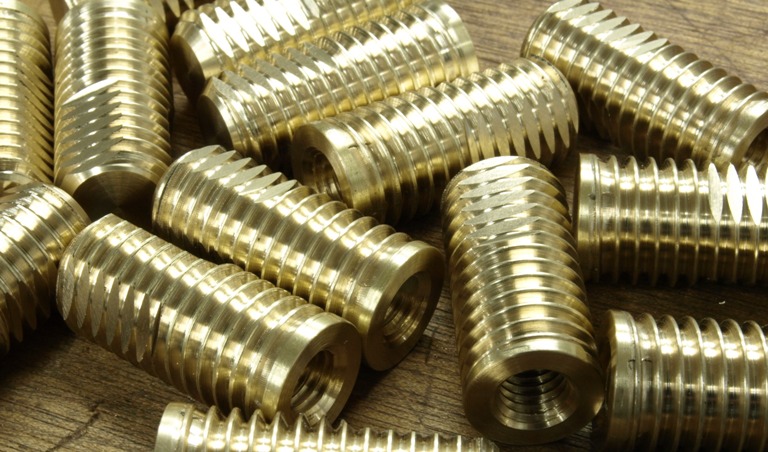
There are 2 single bushes and 1 pair in this plane. The bun and the rear handle have one each and a small pair for the adjuster. Following are a few illustrations to give you an idea of how they are made – once fitted they are invisible though vital.
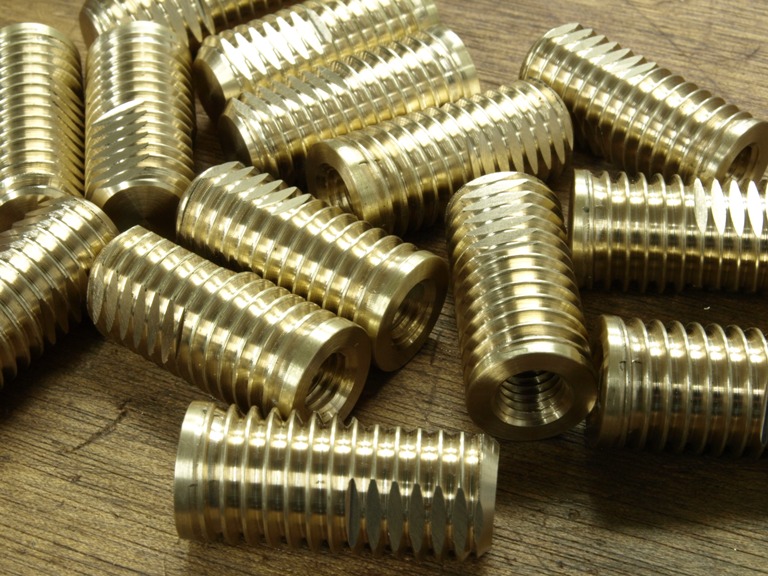
The purpose of these bushes is that they spread the load into a greater contact area. I use a coarse thread on these which is cut on to both the male metal portion and the female wooden counterpart. These bushes are permanently cemented into position with an epoxy resin.
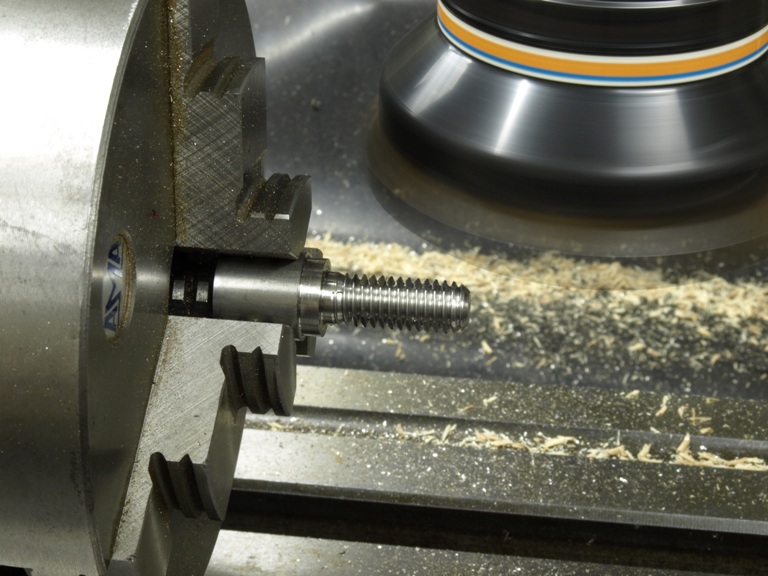
It is possible to break the bond on the metal parts. When the bushes are cemented in position they are less likely to rotate due to the mechanical properties of the flats you will have noticed in the photographs (in the above photo I am about to cut the flats on to the stud for the front bun, not one of the bushes – but the principle is the same). However, as during the fixing process the epoxy resin is forced in the fibrous texture of the wood providing an additional mechanical key these will not break down.
T21 adjuster
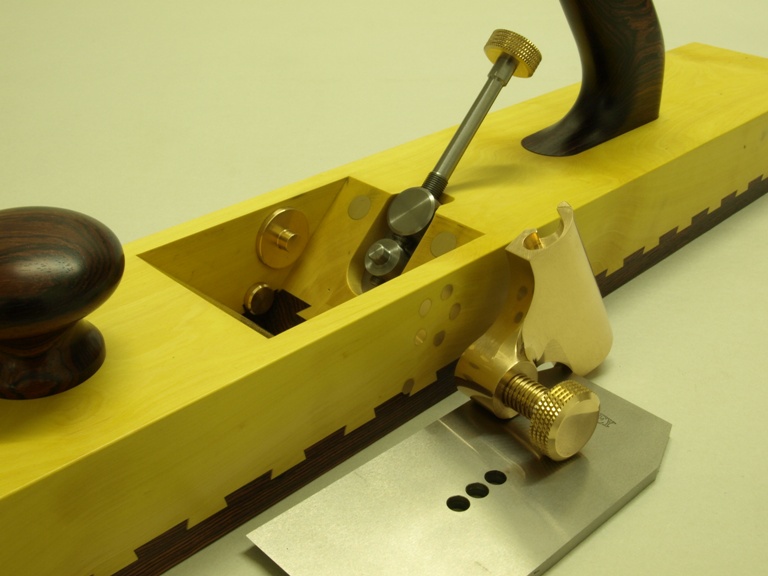
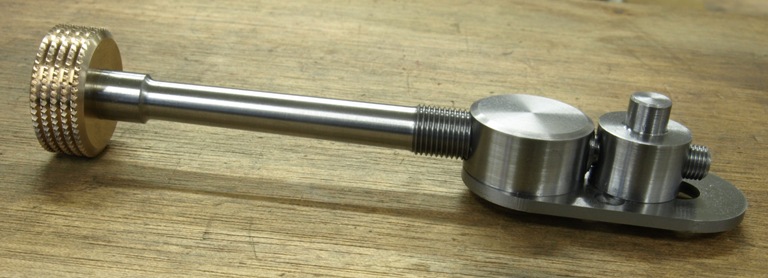
The adjuster for this plane is of the well known Norris type. As with all my Norris style adjusters they have some revisions.
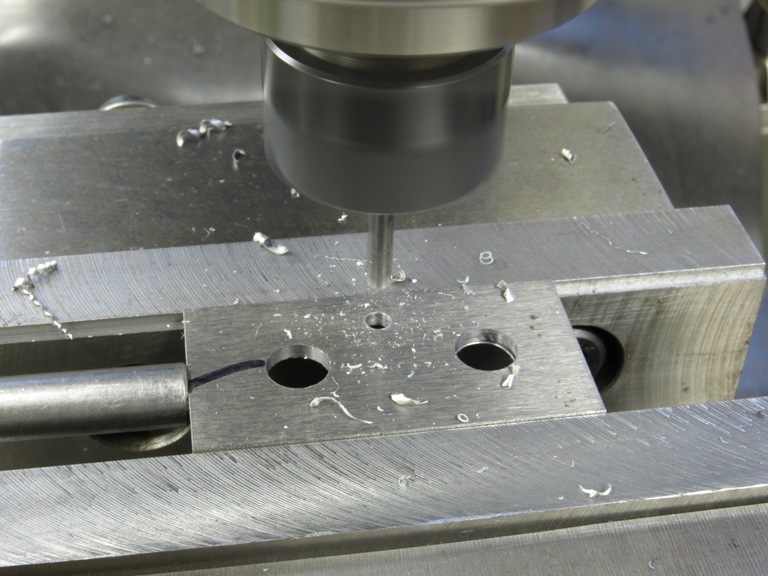
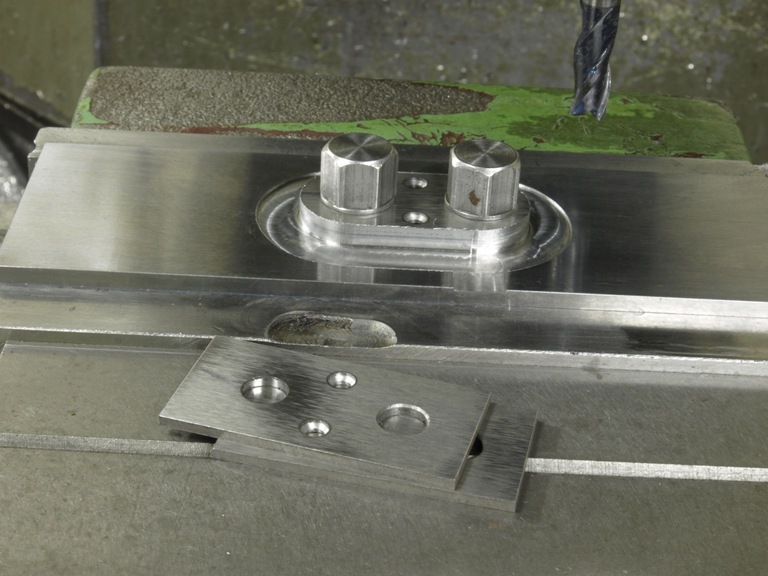
In these pictures you can see two small holes which are used to secure the adjuster body. One of the larger holes is for the rotating nut and the other is an extra hole to assist in work holding when machining (as in the second picture).
Gunmetal fittings for T21
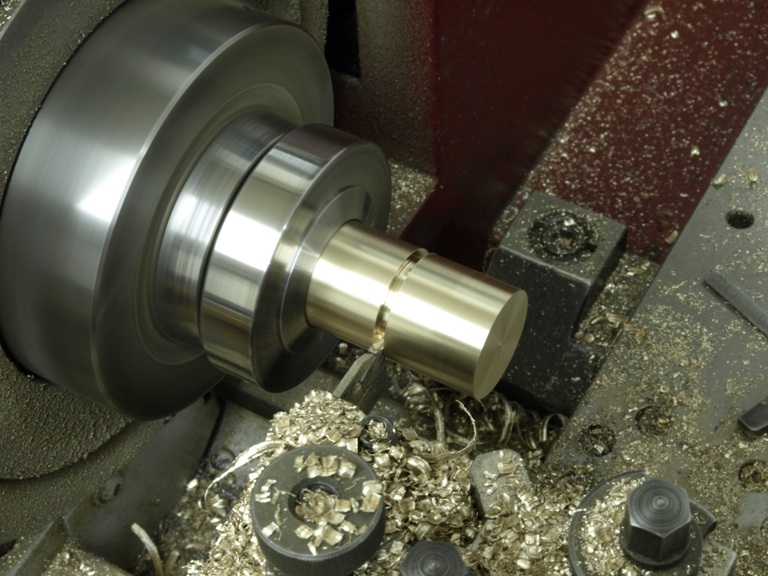
This is parting off my spider hub (for want of a better name) from a prepared bar.
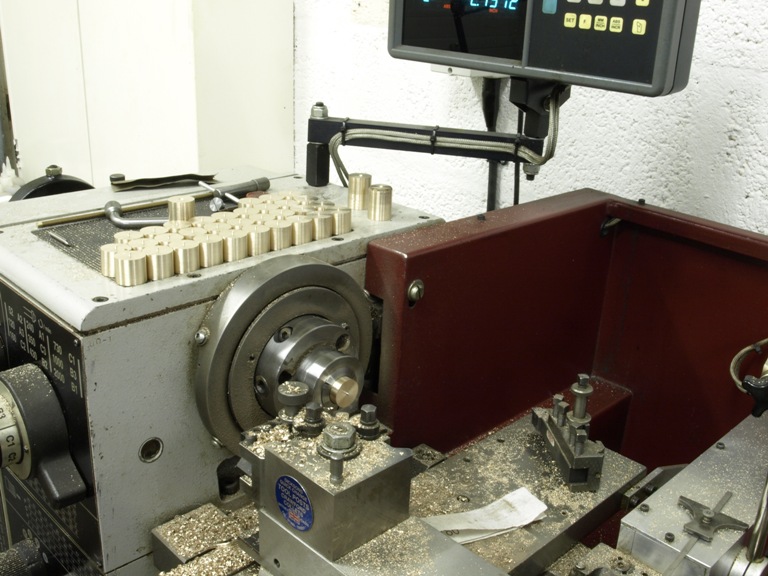
Once these are parted off they need to be trued up to the precise length.
INTRODUCTION TO TRANSITIONAL PLANES – T21
Having made some comments on the instability of wood in infill planes and now that I have successfully made metal planes without infills of my own design; I felt that there is a sector in the market that looks longingly towards wooden planes. Having used some wooden planes myself I feel that there is a sweetness in the way that these planes glide which adds to the plane’s charm. There is the metal plane with a greater accuracy (well some of them) and the smooth operation of the wooden plane. When you try and put the two together to get an infill plane you can lose the advantages of both types of plane. This leaves the transitional.
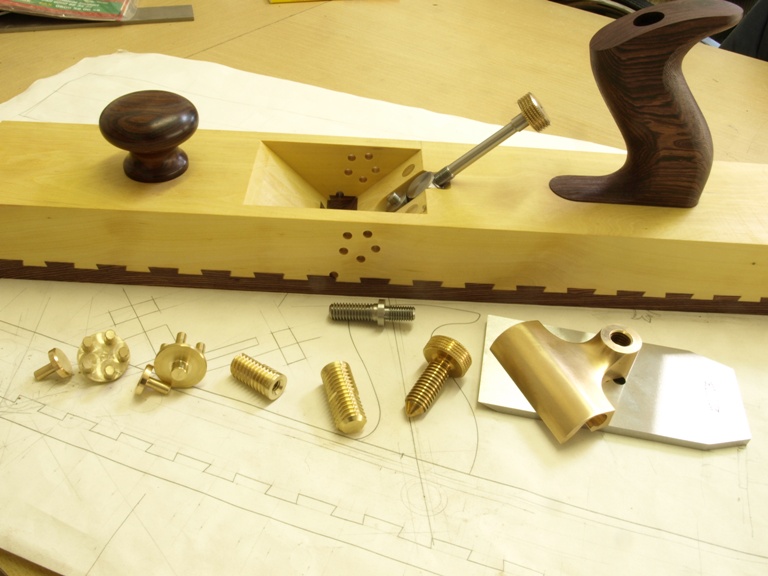
Instead of putting wood into a metal plane, I put metal into a wooden plane. The advantage here is that I am not interfering with the integrity of the wood. Of course there is going to be a lot more wear and tear on the wood but any settlement due to differences in environment is easier to deal with.
You will find in my designs of this plane that I have kept all the character of the wood and yet introduced the fittings as found on a metal plane (the adjuster and lever cap).
All these fittings including handles have been thoughtfully integrated into the wooden body. Items such as handles and adjuster use brass bushes. I have used brass bushing in these areas rather than using an ordinary wood screw. This is a considerable leap forward; the wood screw is just one step up from a nail.
I put some pictures up earlier on in the year which are here if you want to look back: http://www.holteyplanes.com/blog/category/transitional/
Powered by WordPress