From the Workshop

June 29, 2010

Window to my workshop 41

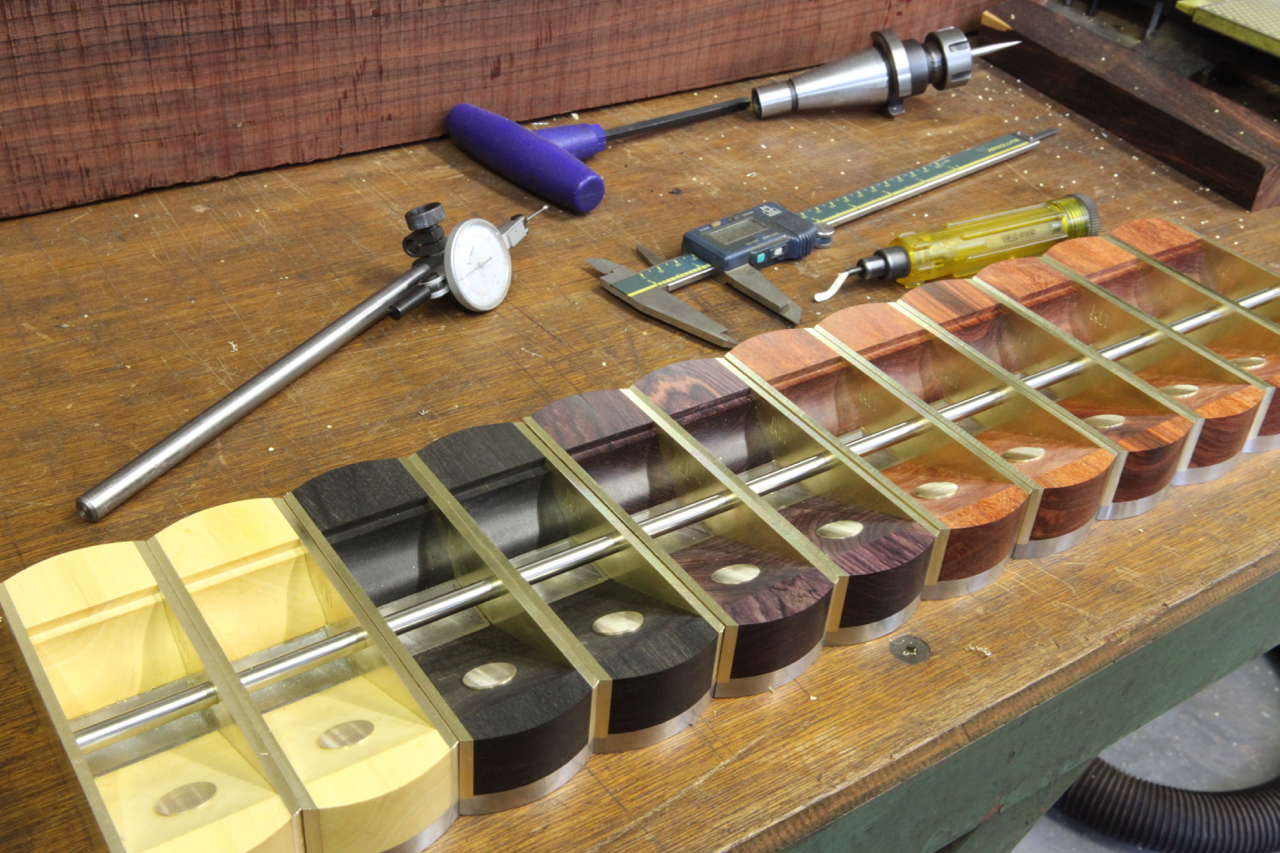
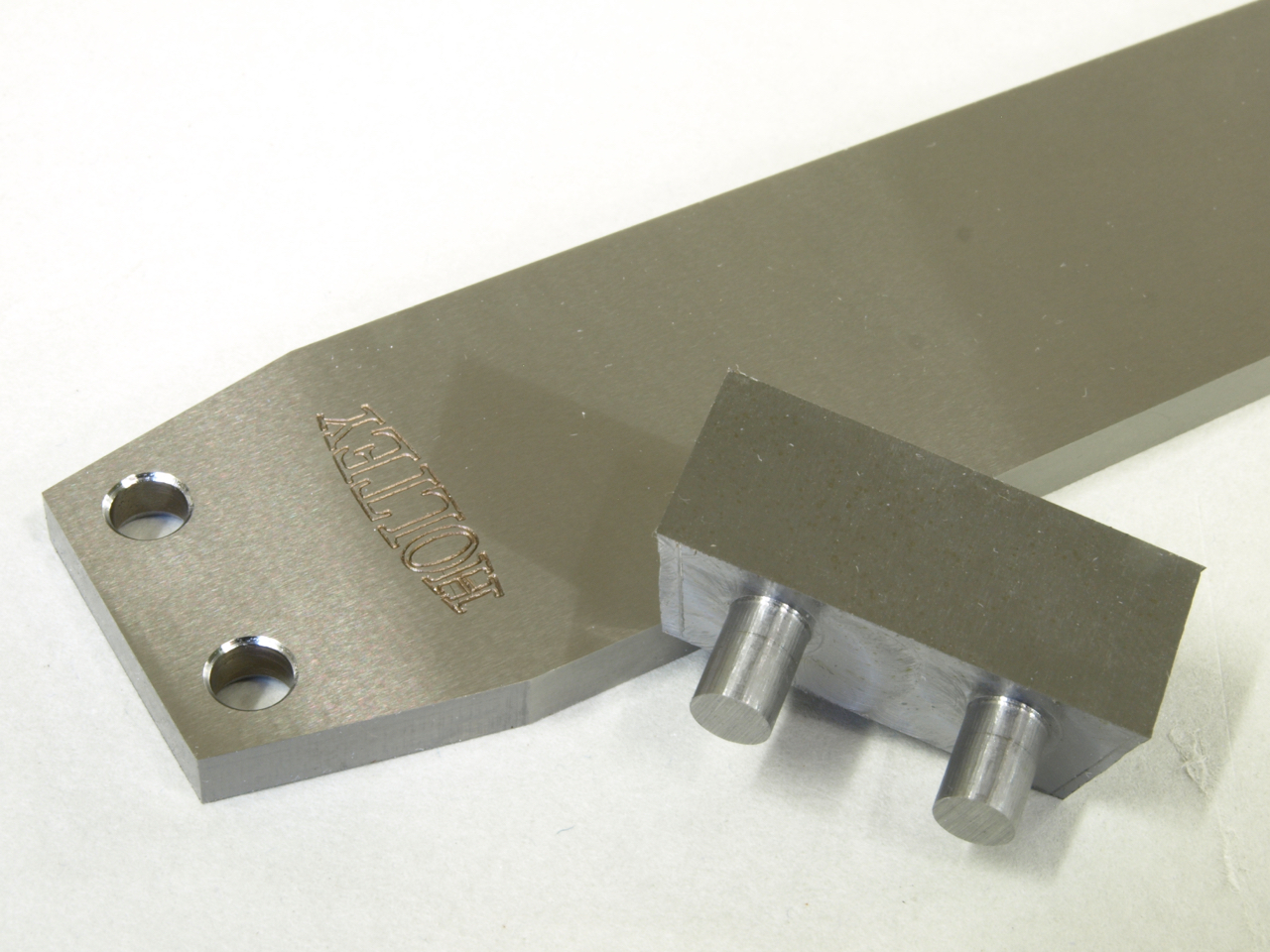
As I have mentioned before most of my entries will be piece meal and out of sequence.  On this occasion I have managed to take some pictures whilst making chip breakers.  Apologies for missing the bending and forming of the front edge of the chip breaker but I forgot to take the pictures.

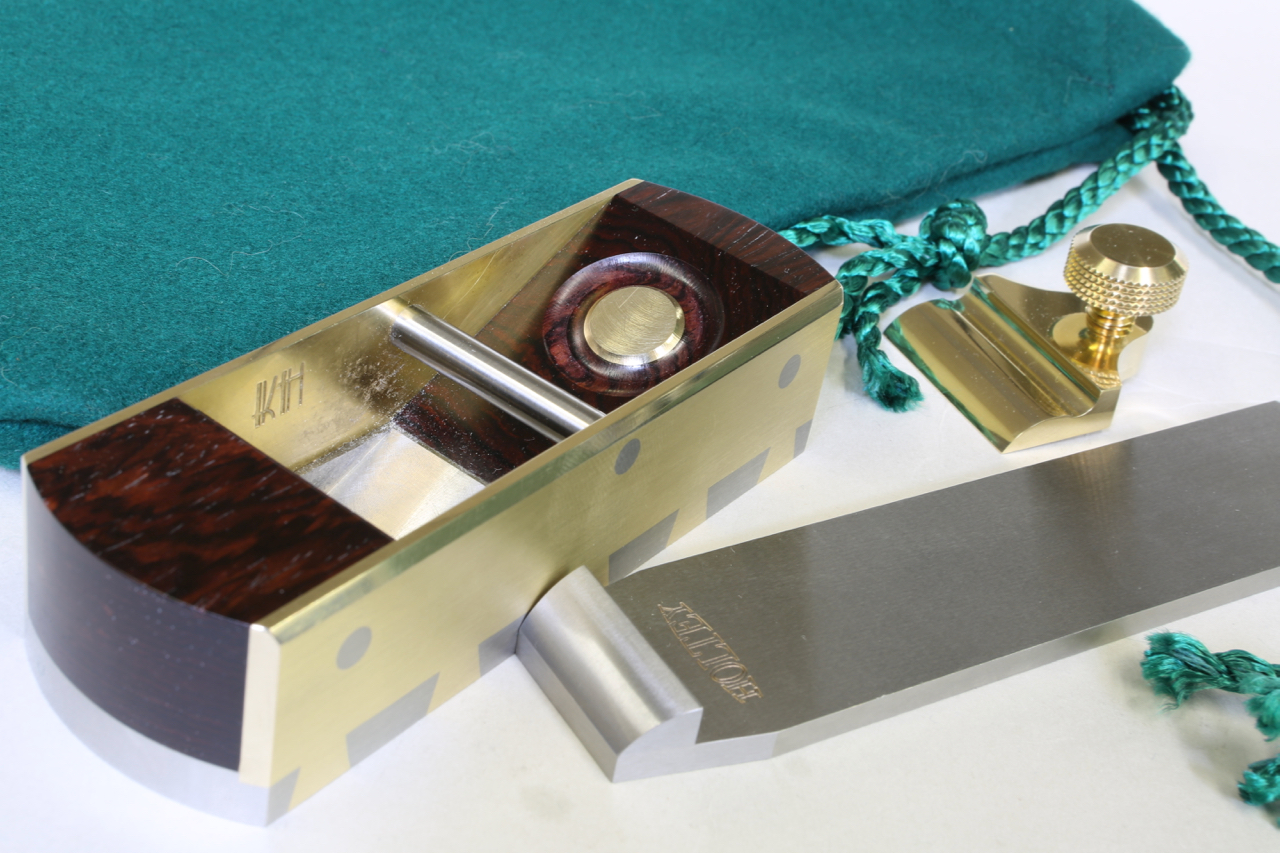
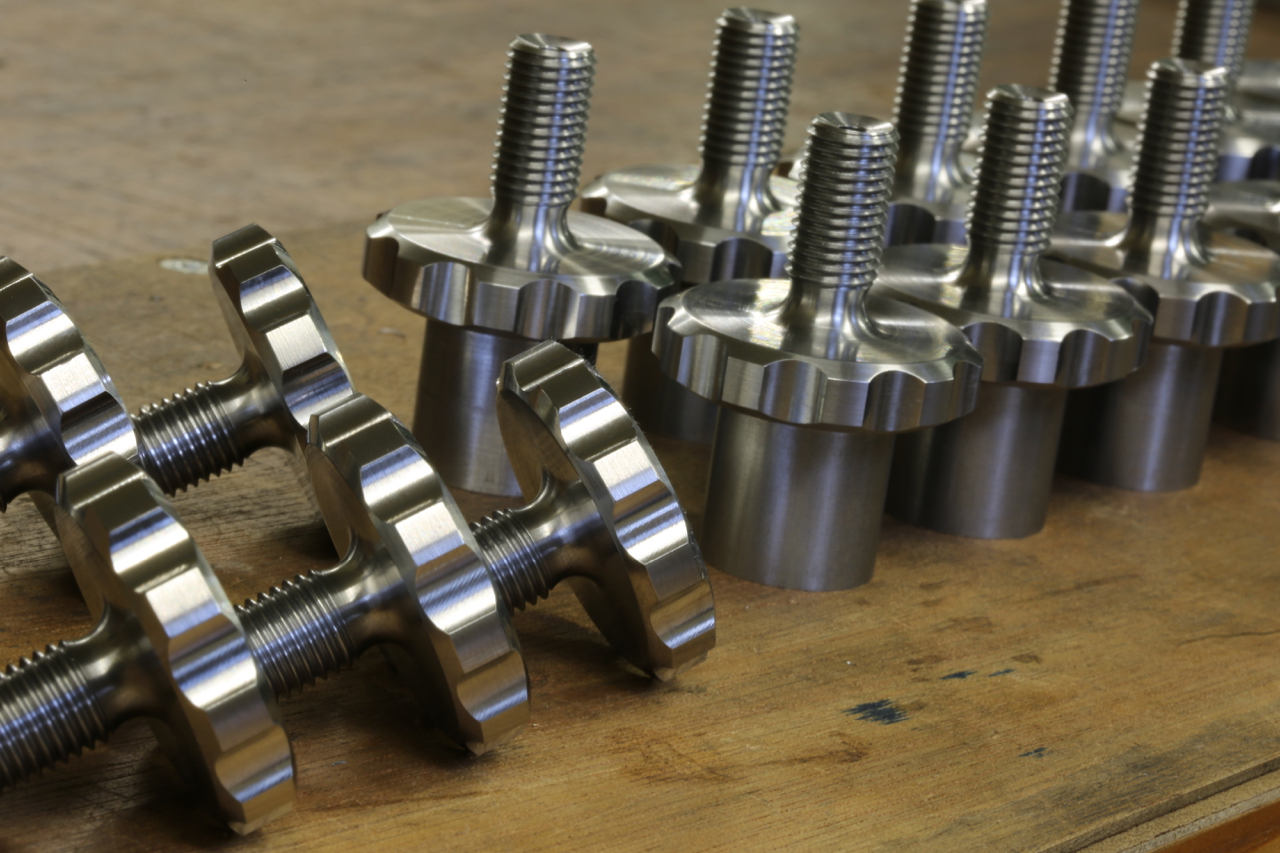
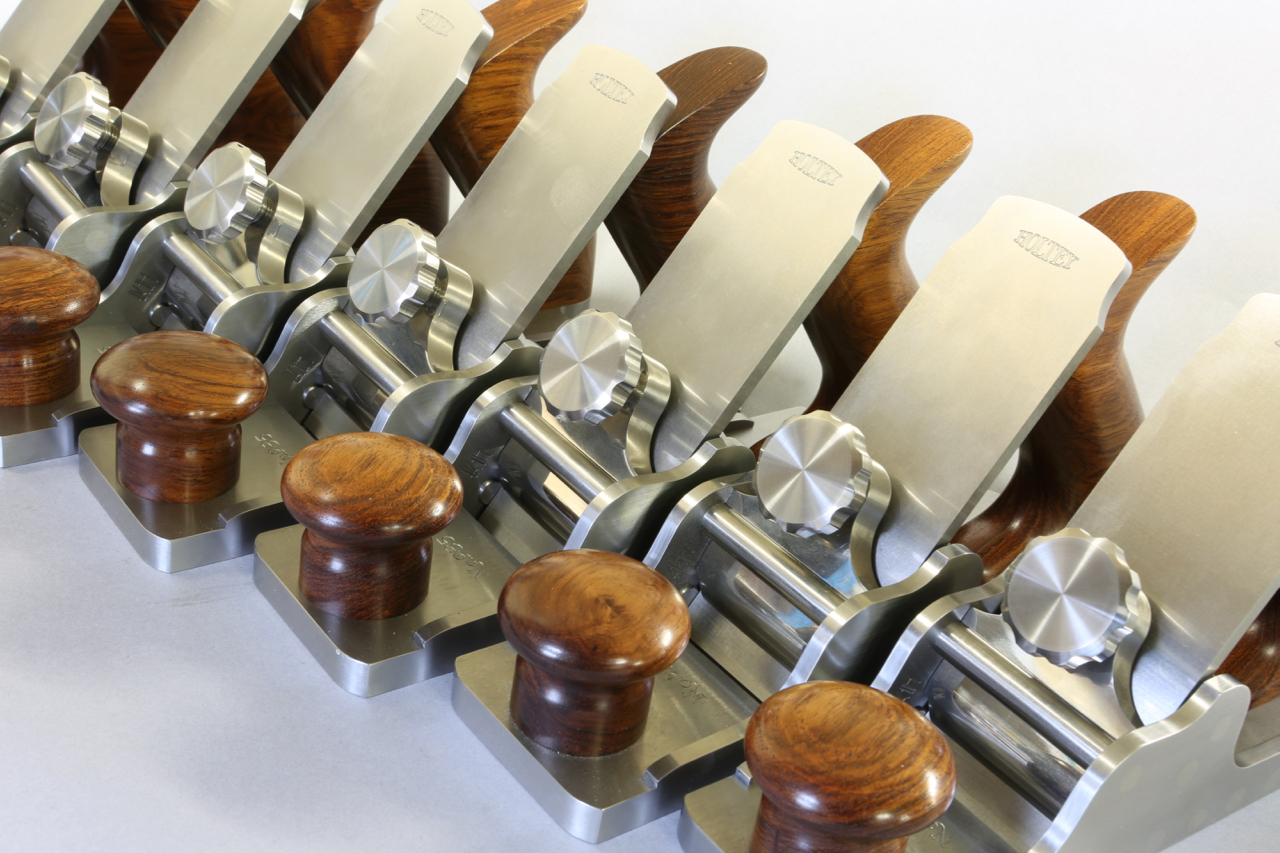
 These chip breakers are standard on all my smoothing planes with 2 ¼” blades.  They are made from gauge plate.

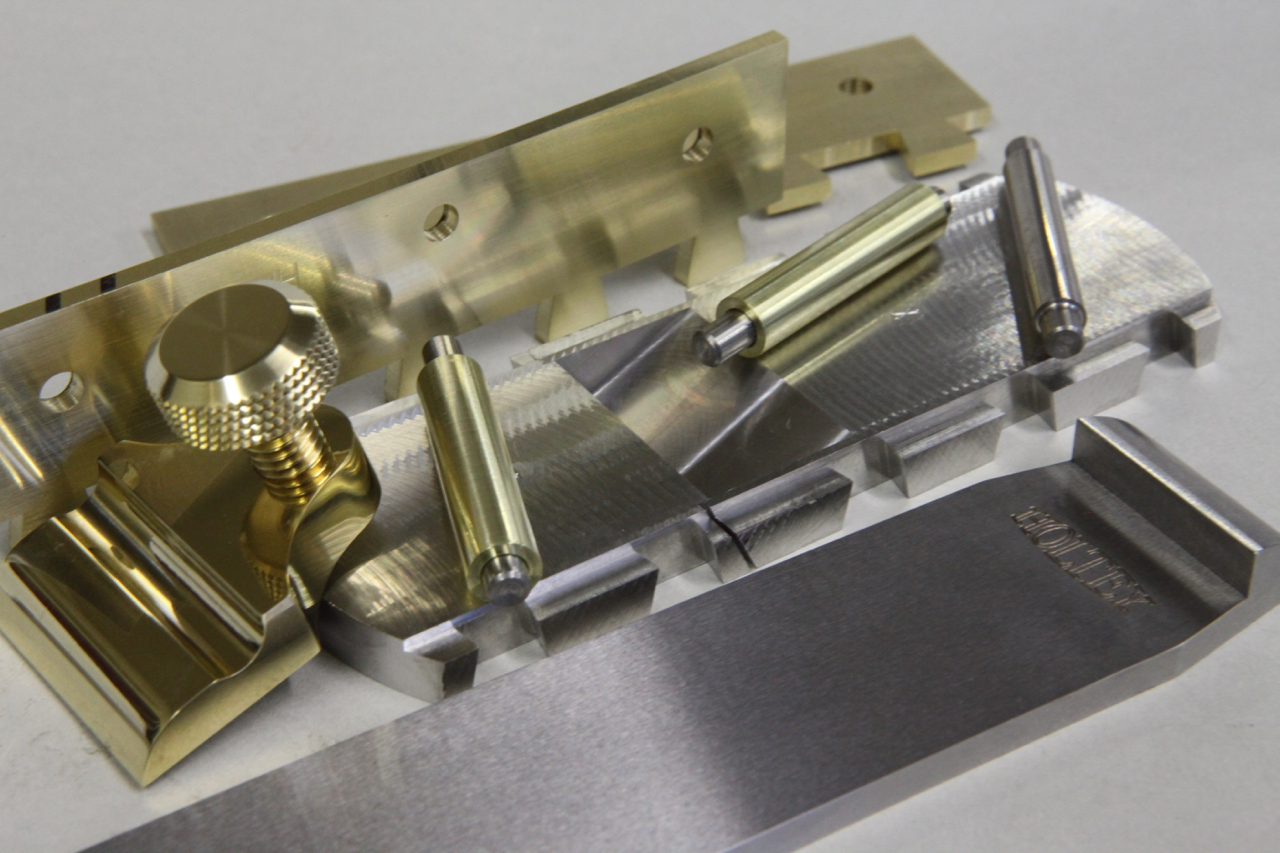
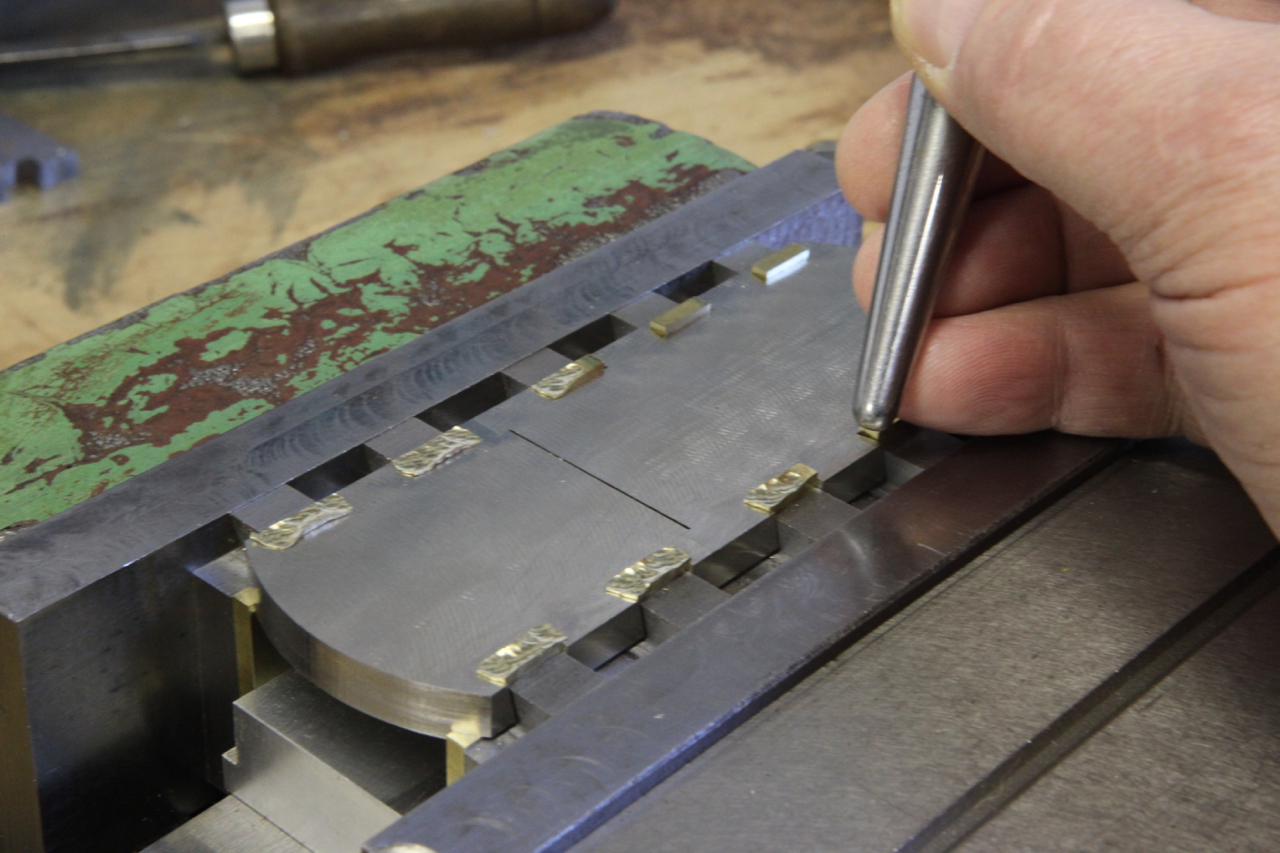
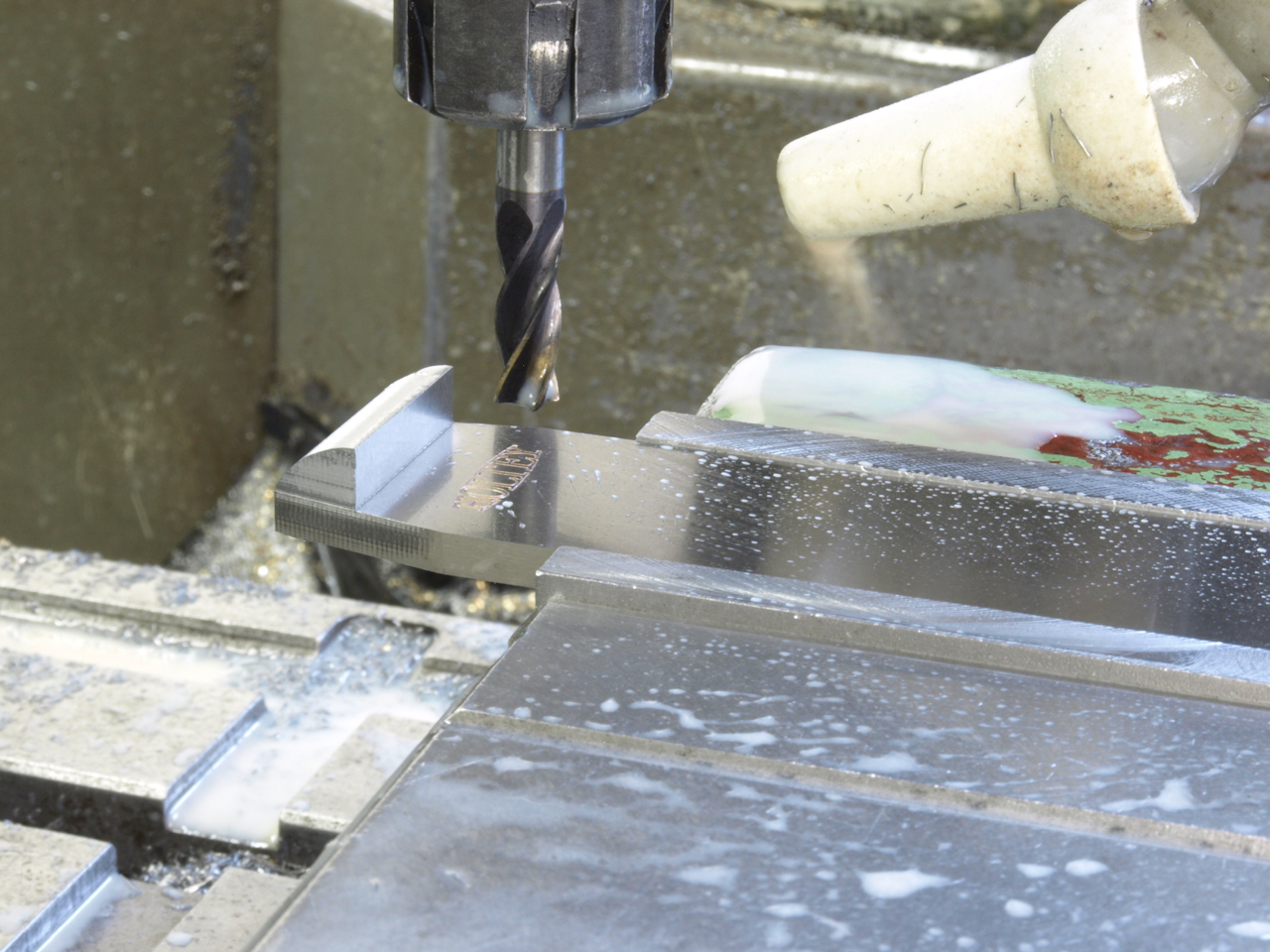
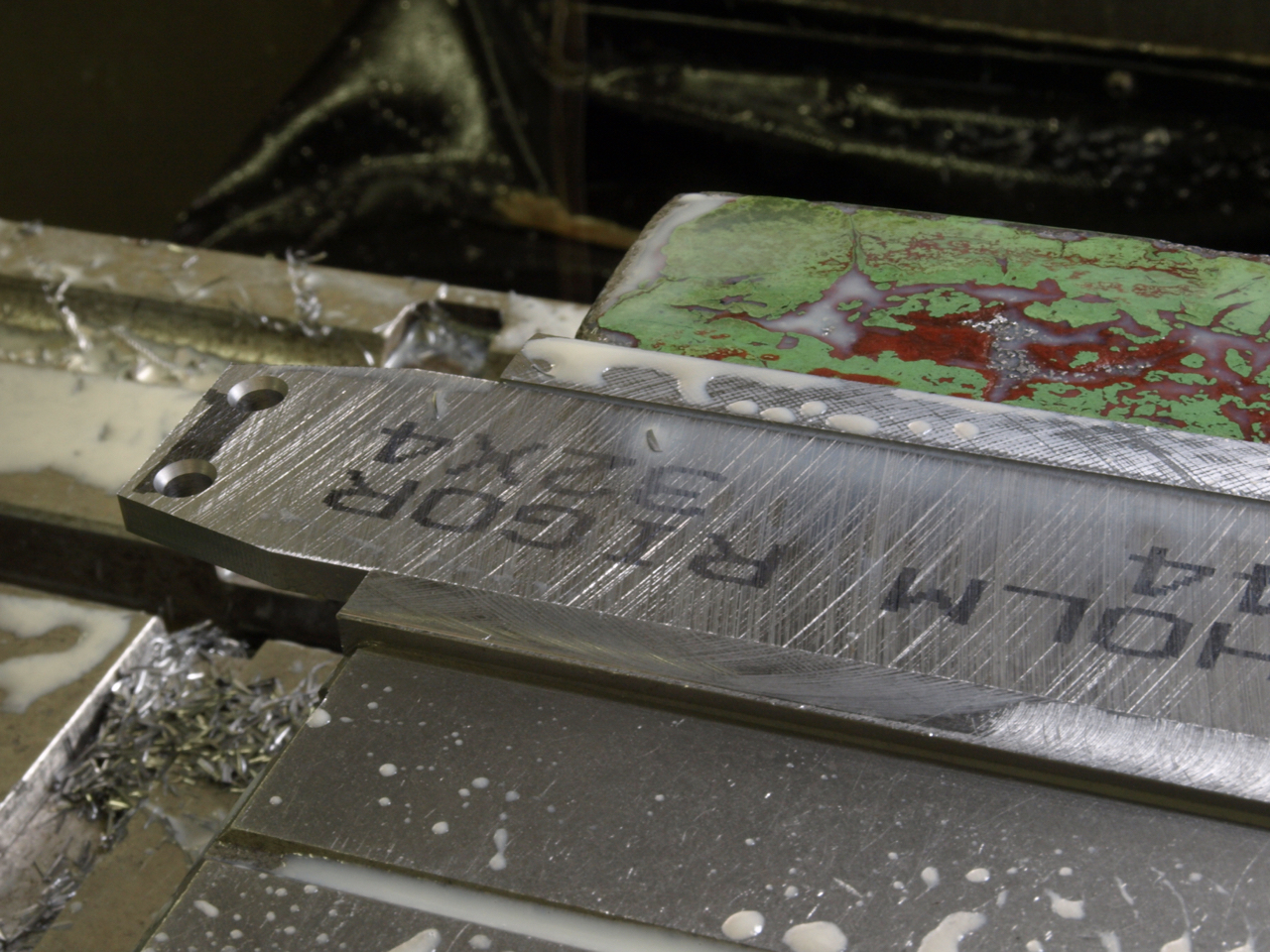
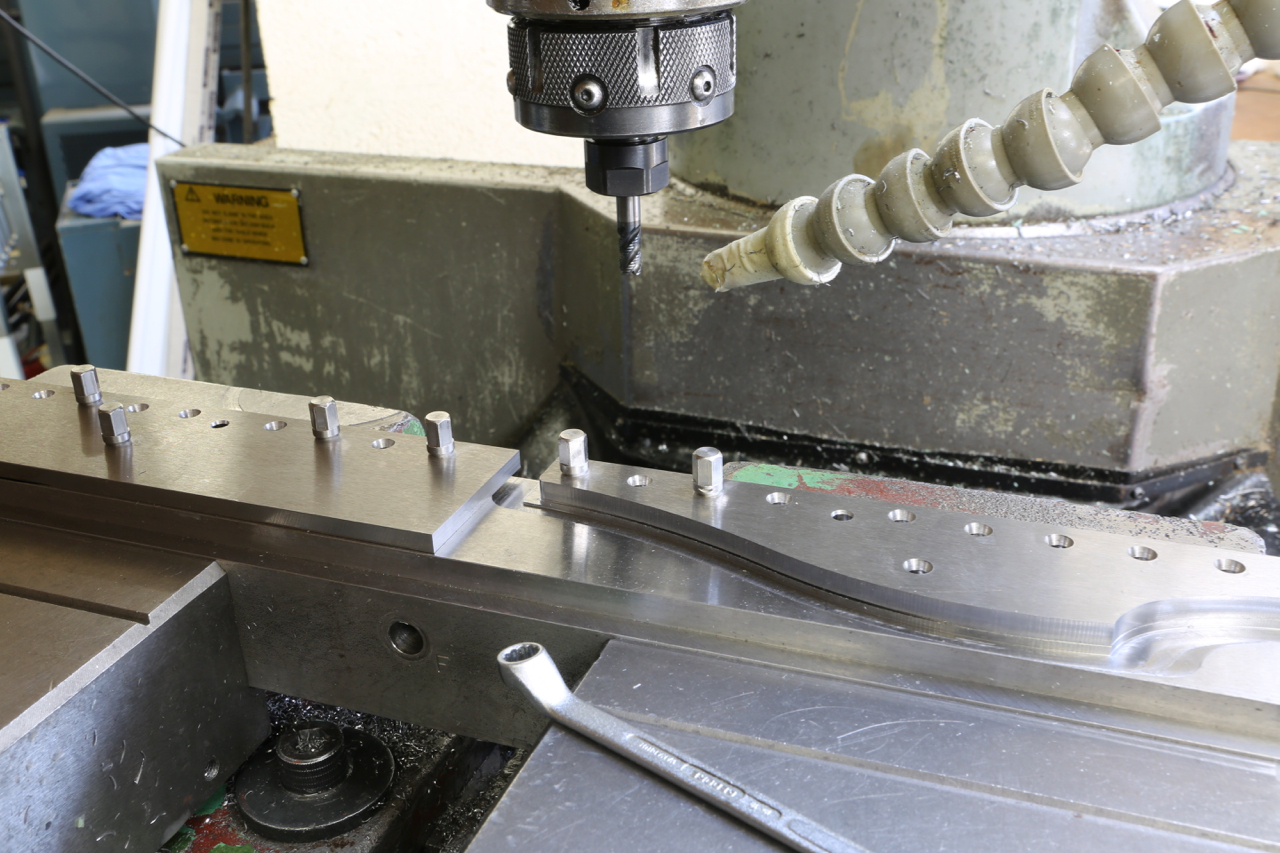
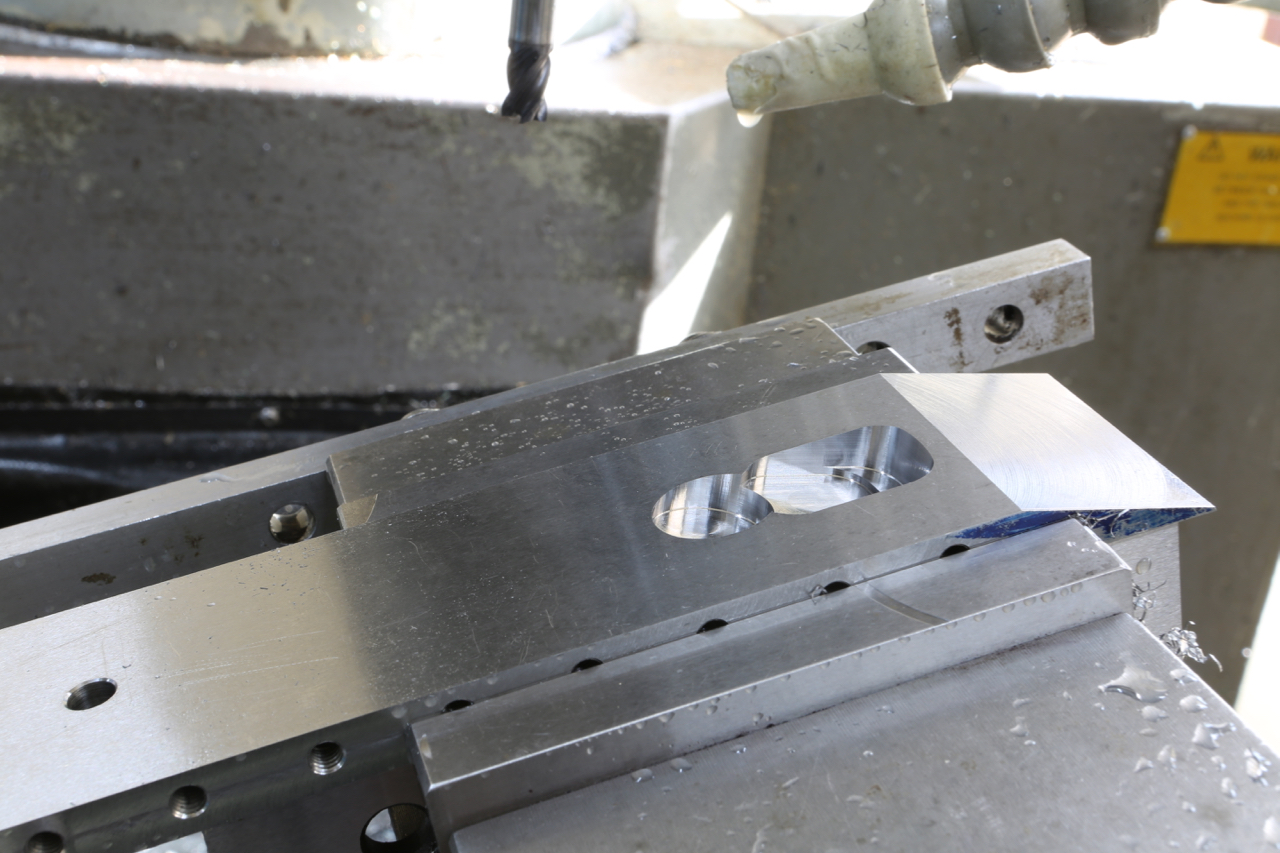
Milling the faceted end of the chip breaker with a rough cutter.


After cutting out the facet I go round with a finishing cutter for finishing and size


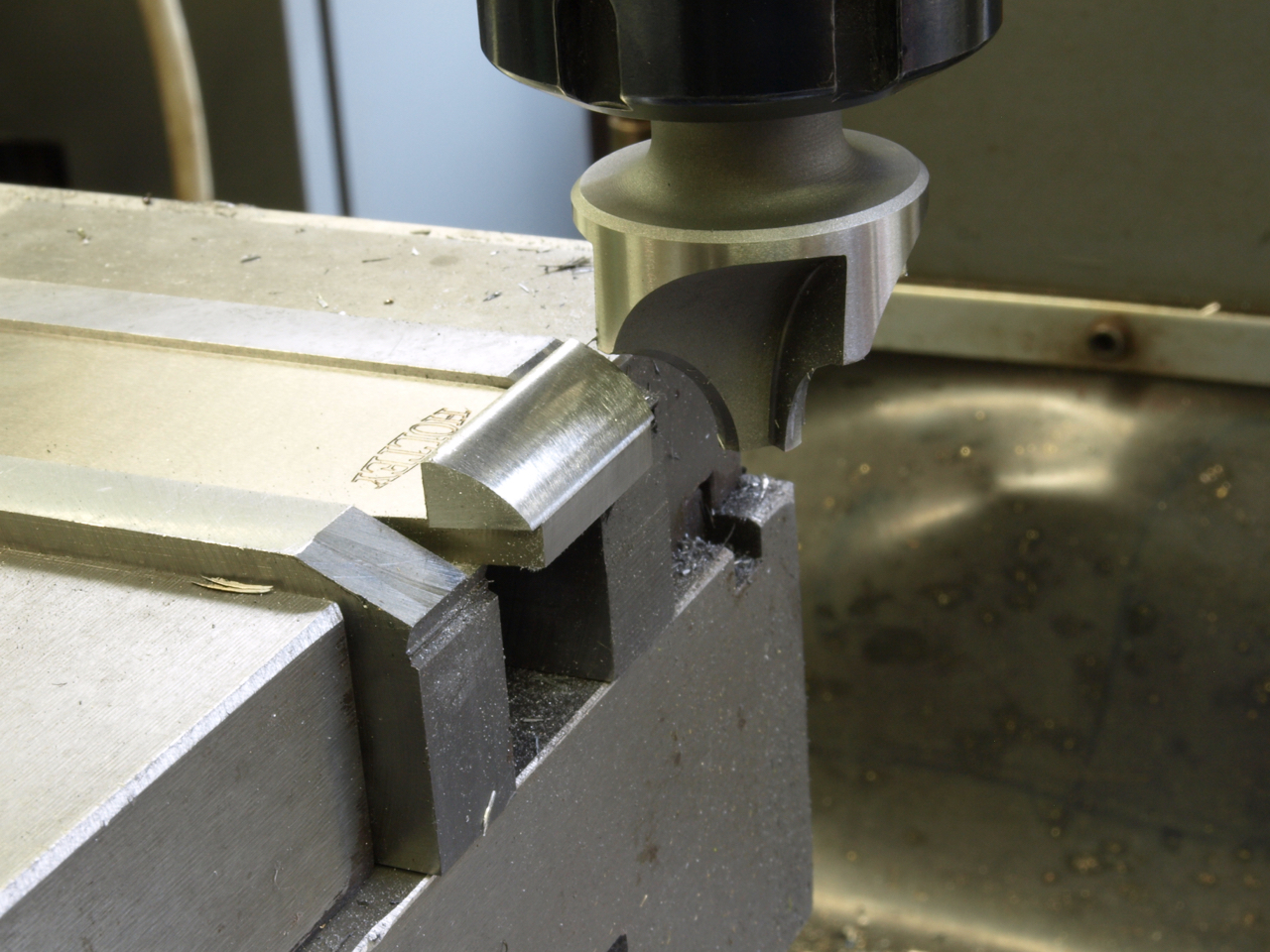
 I have already formed the basic shape, and this is applying the rounding to the front edge.


After the rounding the hand polishing is done to the top side and the round. 


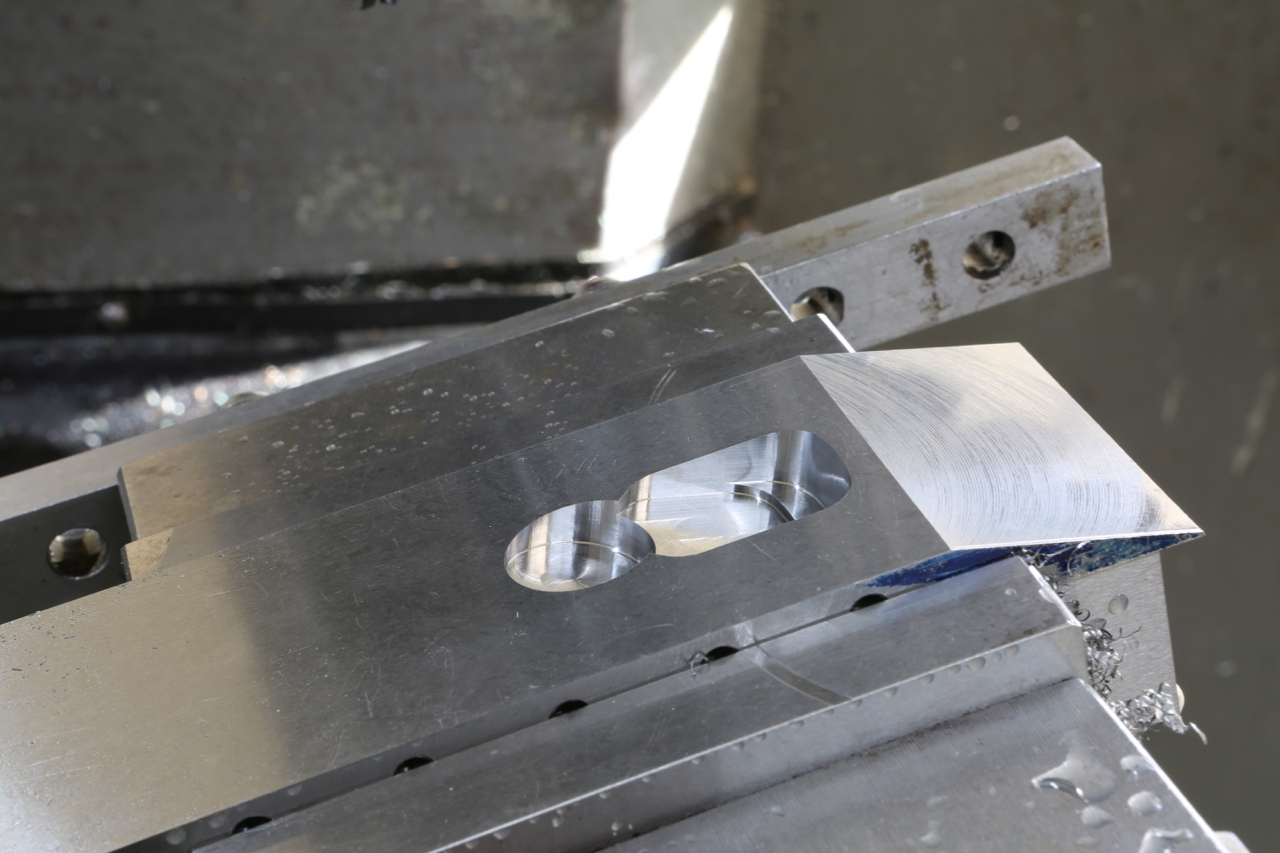
Bevelling the facet.  It is worth noting that it is important to get the sequence right to maintain that sharp, crisp finish.  After this work is done the edges will be ground and polished all round cosmetics.


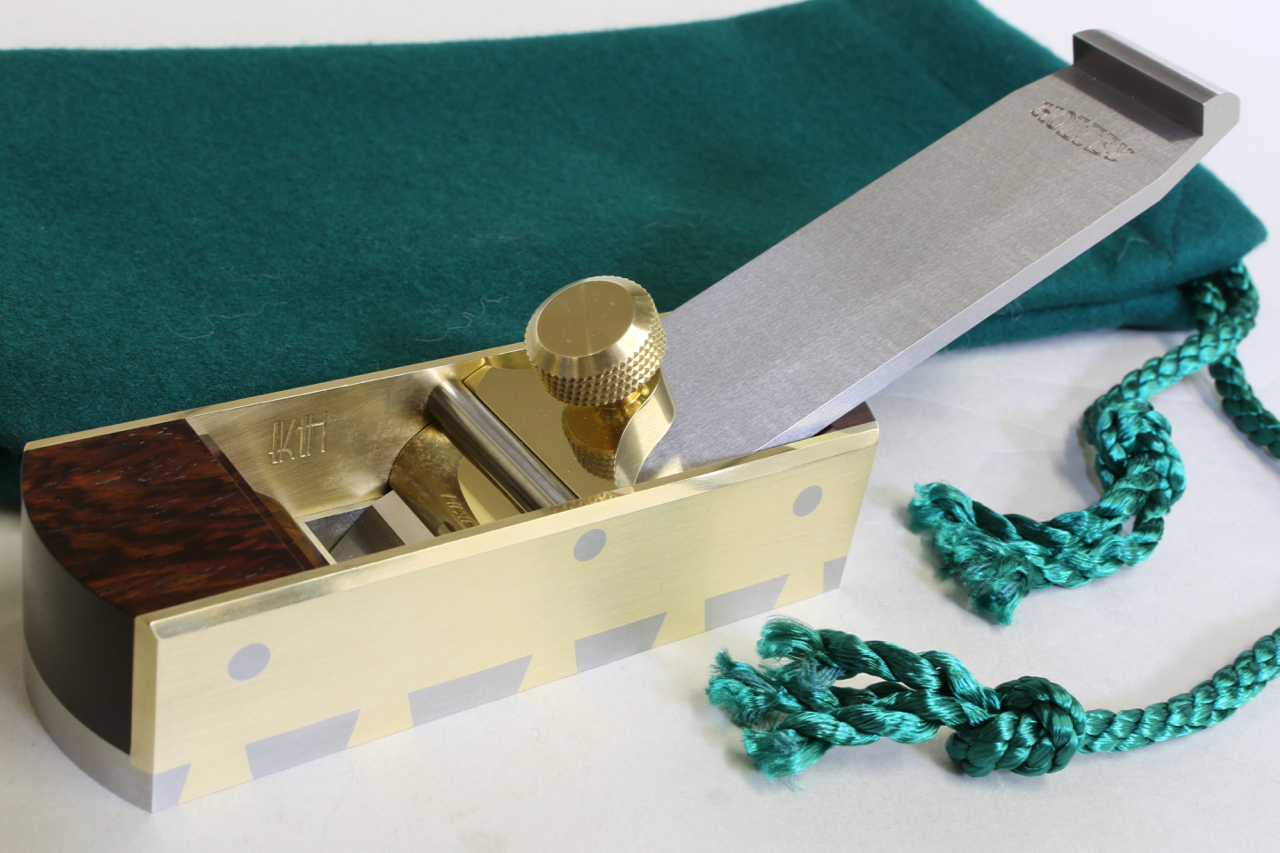
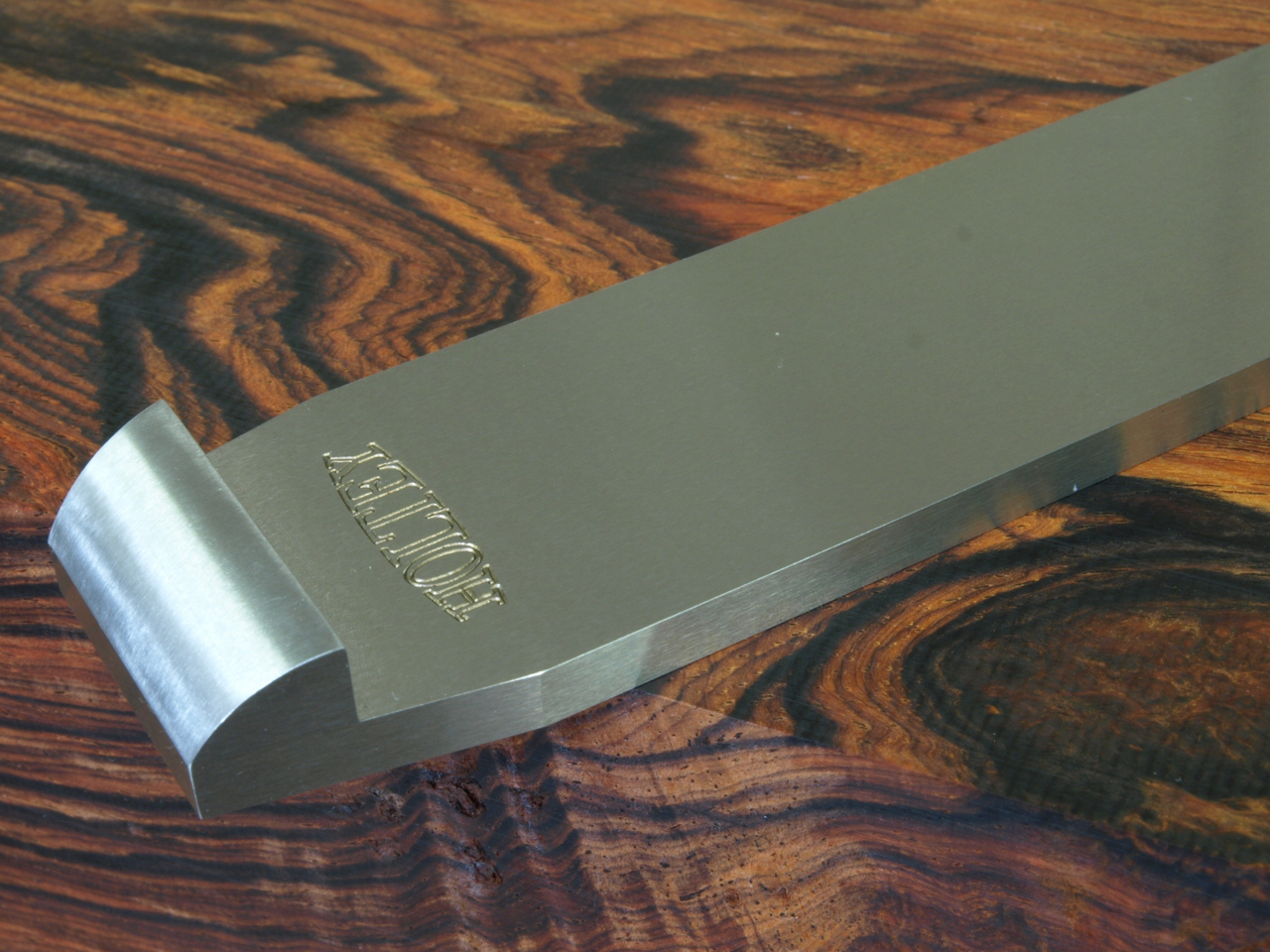
The finished chip breaker.   Sometimes I might polish the bevel faces but of late I have preferred to leave a good milling texture.  This gives a much sharper appearance.

March 6, 2010

A13 Boxwood pictures

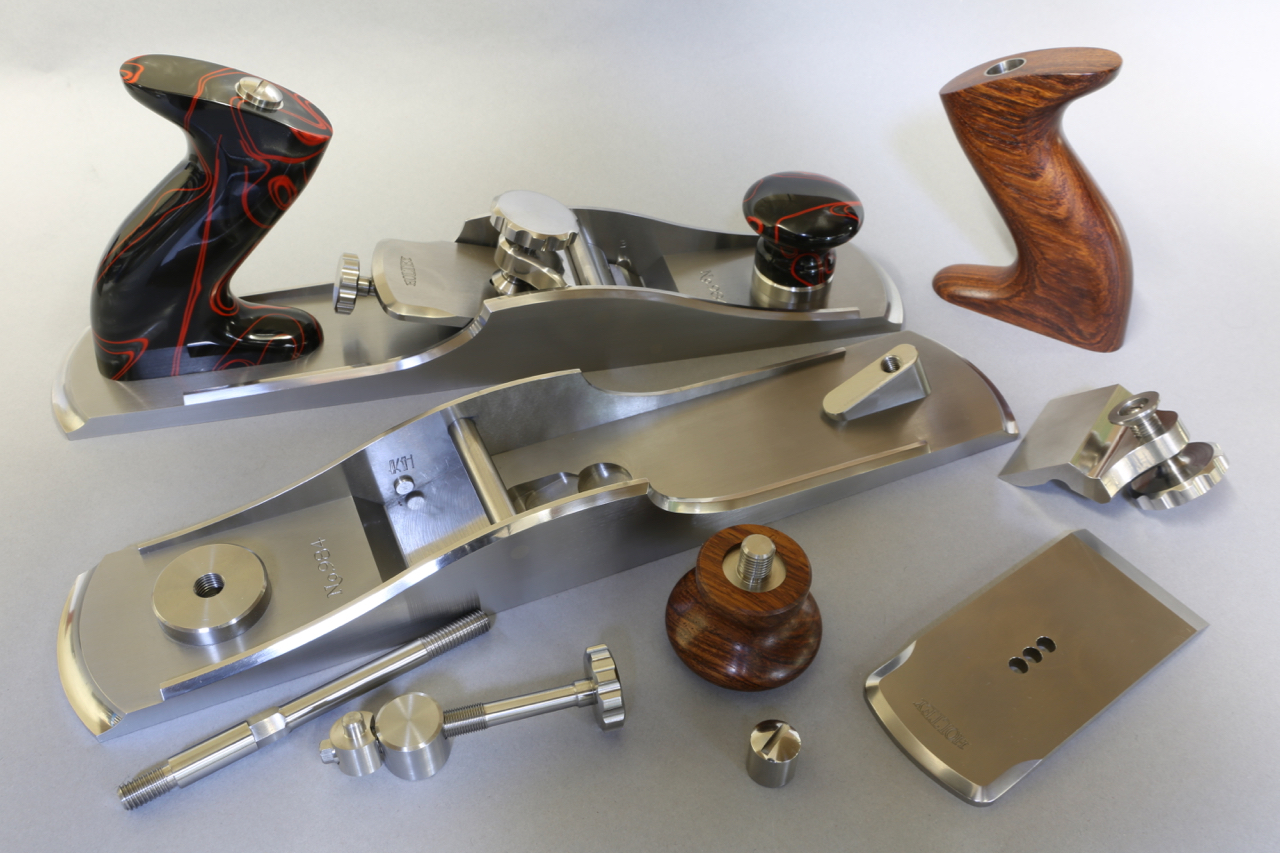
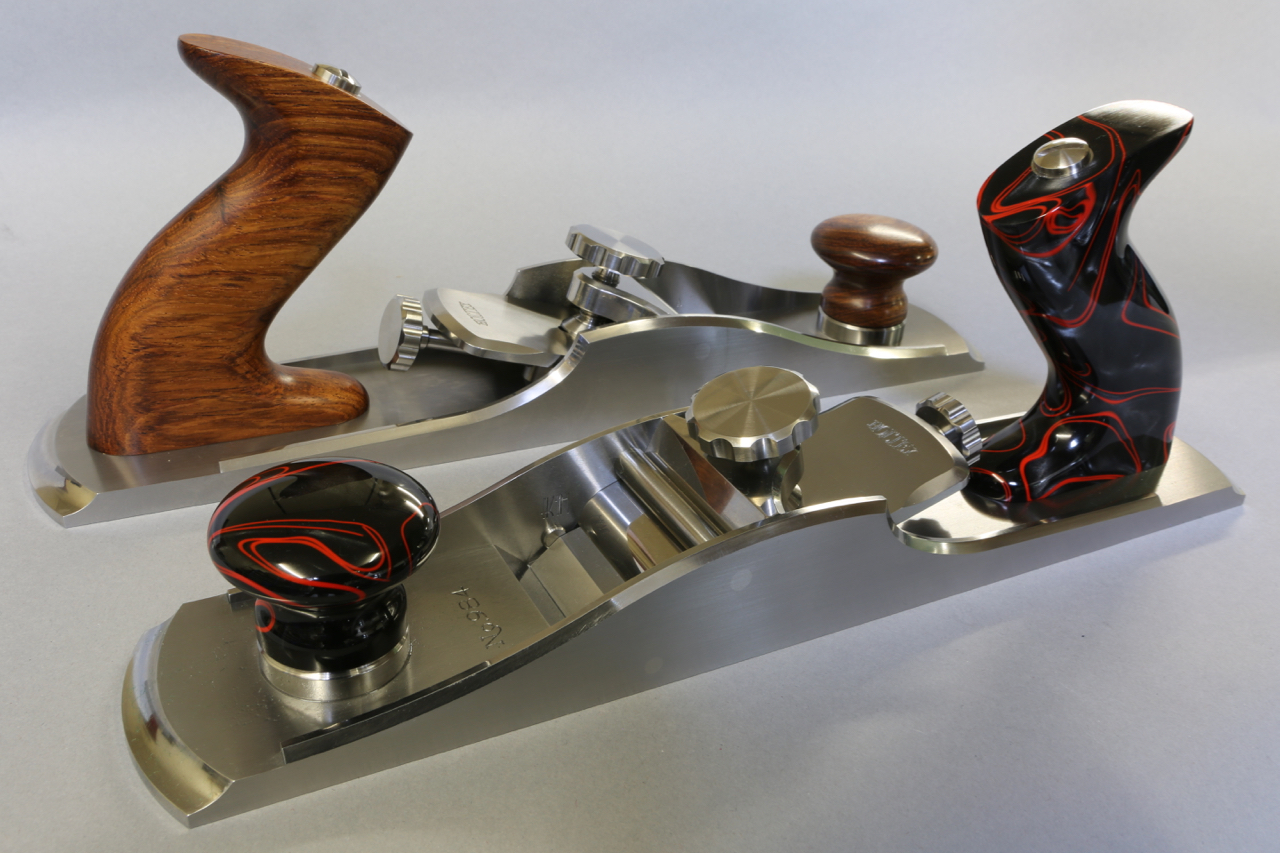
Just a few quick pictures of this Boxwood A13 I have just finished

A13 boxwood smoother plane 1


A13 boxwood smoother plane 2


A13 boxwood smoother plane 3

February 7, 2010

Window to my workshop – 38

A6 Smoothing Plane

At last I have managed to find a little bit more time  for another entry in my blog.  For this entry I have decided use some old pictures of an A6 in the making as I have come across some pictures which could be useful.  As usual there are a lot of gaps in the picture diary and so I will start with the project already under way.  I feel sure that it will still provide some interest.

This A6 is one of the least copied planes around but is one of my personal favourites.  This is the real smoother as this plane is never much more than 7-7 .5 inches in length as its only job was for surface finishing.  This pattern is one of the most traditional, a fully handled infill plane.

I have been congratulated by many for introducing this informative blog as it shows how different my work is from other plane makers either historic or contemporary.  There are good plane makers but I feel that my methods set me apart. 

 “The nicest things about standards is that there are so many of them to choose from “ Andres S Tannenbaum.


 A6 dovetailed smoothing plane with brass sides 1

 After all the profiling and dovetailing has been completed (this is the same process as with my other infill planes and has been documented elsewhere in these blogs), I can concentrate on the mouth and the frog.  As you will see from the picture the mouth is slotted and the holes drilled in preparation for the frog riveting.

  (more…)

January 3, 2010

Window to my workshop – 37

74 T21 Transitional dovetailed jointer

 95 T21 Transitional dovetailed jointer

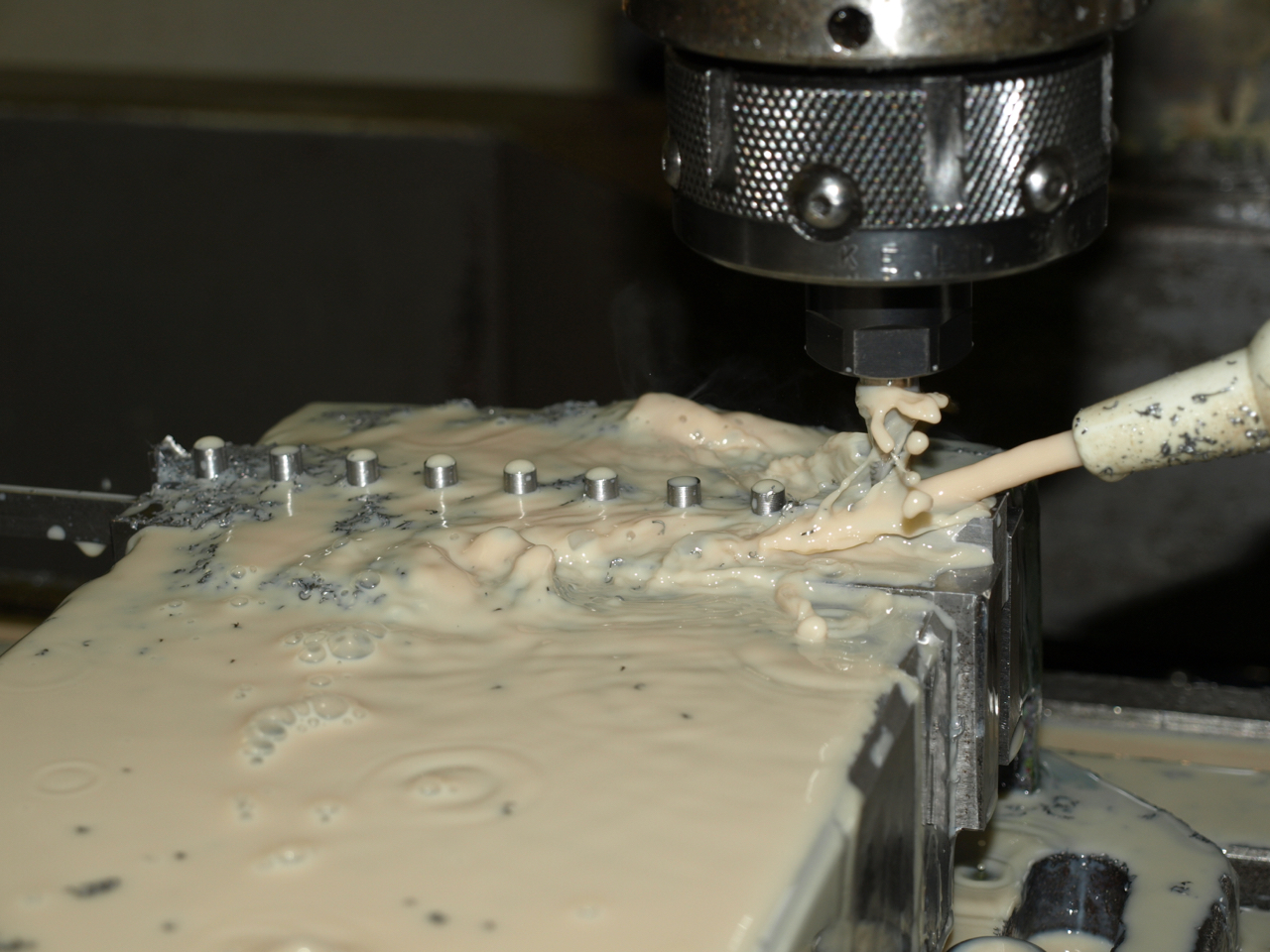
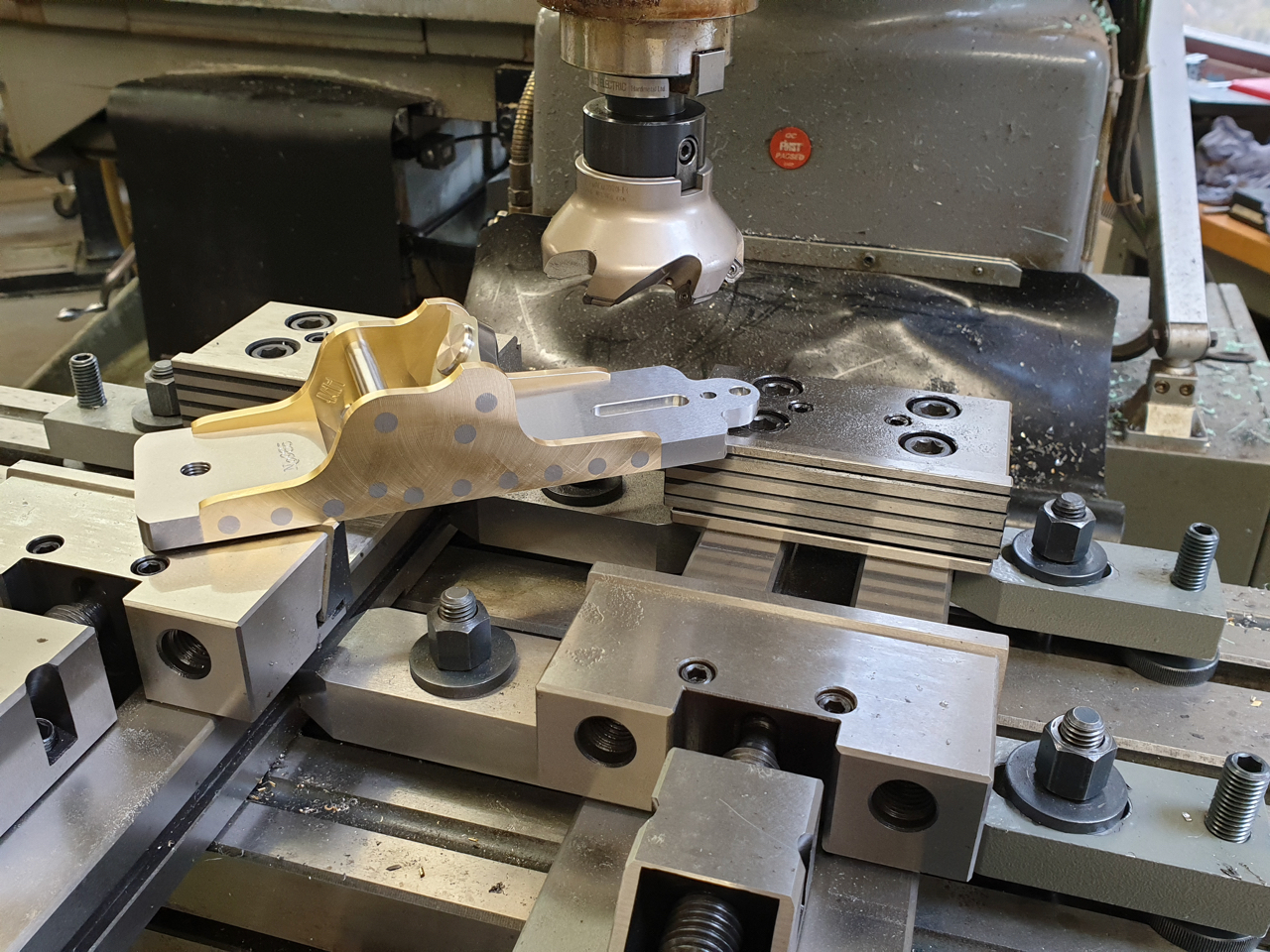
I thought I would put this picture up for the benefit of the customer who is buying it. I plane all round for truing up.  As you will notice I have chosen to do all my planing on the milling machine as it will plane true without any tearing when it comes to the more difficult grains.  I achieve more accuracy this way than I would do on an ordinary planer/thicknesser.

  (more…)

Commentary – T21 Transitional Plane

Filed under: Commentary, Transitional — Tags: , , , — admin @ 12:40 pm

I have been quite impressed about some of the comments on forums about my T21 plane and I would like to make my contribution to these discussions.

There was a reference made about the brass kicker pads being in the wrong position i.e. cutting through one of the dovetails.  I have to assure everyone that I think long and hard about the positioning of everything.  Sometimes I can ponder over these decisions for months.  This kicker pad is there to assist in the lateral positioning of the blade, which works in conjunction with the adjuster.  In the case of castings there was usually a pip in the pattern to do this job.  The kicker only has to endure very light side pressure.  However its positioning is important if it is to be effective. 

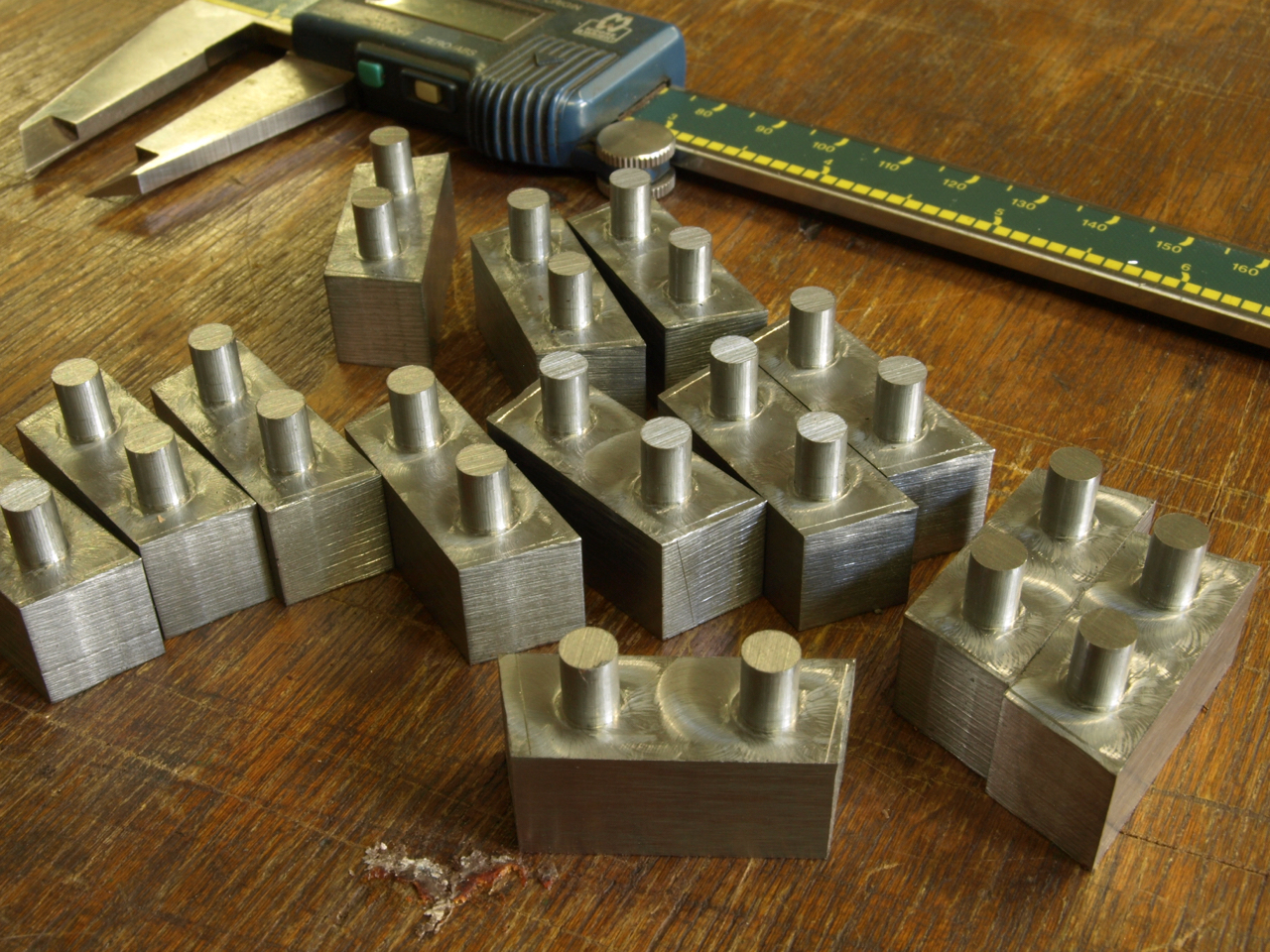
An interesting comment, on my blog, was that someone noticed the positioning of the five pins in my spider hub and worked out the reasoning.

The most interesting point is discussion on the stability of wood.  When it comes to wood stability we will always be losers.  I have always had a fascination for transitional planes probably because I am more of a woodworker than engineer.  Where possible I like to combine woodworking with metalworking.  Engineering is not always all about metal.  However, for stability and reliability metal will always win.

The reason I decided to laminate the sole is so I could chose a light weight wood for the body, something pretty like the quilted maple, and laminate it with a harder wearing wood.    With laminating in this application straight forward bonding would not have been sufficient because of the oils in the wood I chose for the sole.  This is the reason for using the jointing system like ECE have on their primus planes, except I chose to dovetail whereas ECE had a tongue and groove system.

The difference in movement in different materials would be cross grained and most of it will be tangential.  Over a distance of 3 3/8” it should have a minimum effect.  Whether these dovetails run at right angles, longitudinal or diagonal I would think would be irrelevant and it would seem that it hasn’t affected the ECE planes. The use of the dovetail joint is it is more positive than the tongue and groove and of course there is just that little bit of vanity. 

I feel that I have made some inroads with the fittings that I designed, and I would like to make this plane again in smaller sizes and in a one piece stock i.e. without the laminated sole.

January 1, 2010

Window to my workshop – 36

T21 Transitional Dovetailed Jointer Plane

 63 T21 Transitional dovetailed jointer


64 T21 Transitional dovetailed jointer

Boring and counter boring the hole in the bun blank for the fixing stud.

  (more…)

Window to my workshop 35

T21 Transitional Plane

I will be working to finish the blog on the T21 today, so I thought I would leave you with these pictures in the meantime.

60 T21 transitional dovetailed jointer


61 T21 transitional dovetailed jointer


62 T21 transitional dovetailed jointer

December 27, 2009

Window to my workshop -34

 T21 Transitional Plane – Bushing


There are 2 single bushes and 1 pair in this plane.  The bun and the rear handle have one each and a small pair for the adjuster.  Following are a few illustrations to give you an idea of how they are made – once fitted they are invisible though vital.

 53 T21 transitional dovetailed jointer bush

The purpose of these bushes is that they spread the load into a greater contact area.  I use a coarse thread on these which is cut on to both the male metal portion and the female wooden counterpart. These bushes are permanently cemented into position with an epoxy resin.   


51 T21 transitional dovetailed jointer bush

It is possible to break the bond on the metal parts.  When the bushes are cemented in position they are less likely to rotate due to the mechanical properties of the flats you will have noticed in the photographs (in the above photo I am about to cut the flats on to the stud for the front bun, not one of the bushes – but the principle is the same).   However, as during the fixing process the epoxy resin is forced in the fibrous texture of the wood providing an additional mechanical key these will not break down.

(more…)

December 26, 2009

Window to my workshop – 33

T21 adjuster


The adjuster for this plane is of the well known Norris type. As with all my Norris style adjusters they have some revisions.


 20 T21 transitional jointer plane adjuster


21 T21 transitional jointer plane adjuster

In these pictures you can see two small holes which are used to secure the adjuster body.  One of the larger holes is for the rotating nut and the other is an extra hole to assist in work holding when machining (as in the second picture).

  (more…)

Window to my workshop – 32

Gunmetal fittings for T21


 7 T21 Transitional dovetailed jointer plane

This is parting off my spider hub (for want of a better name) from a prepared bar.


8 T21 Transitional dovetailed jointer plane

 Once these are parted off they need to be trued up to the precise length.

  (more…)

Older Posts »

Powered by WordPress