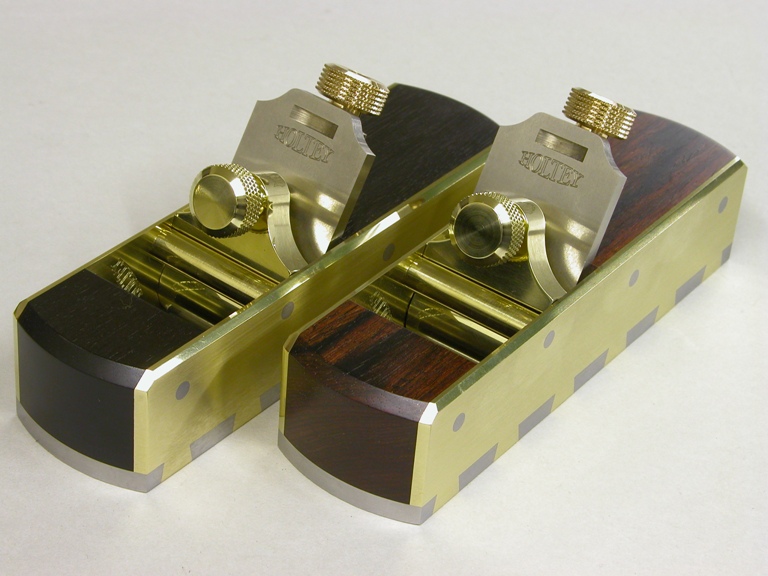
Just a few quick pictures of this Boxwood A13 I have just finished
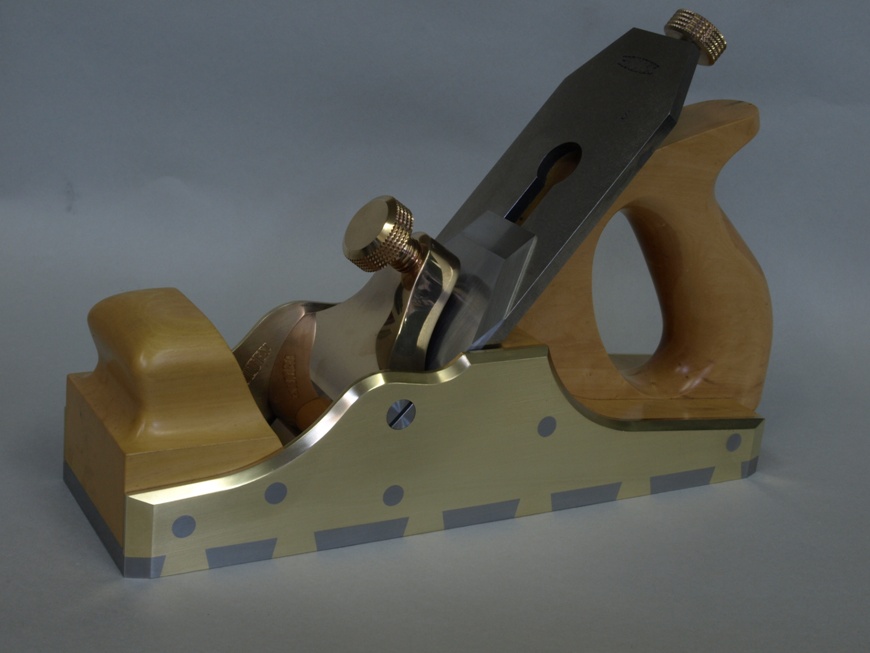
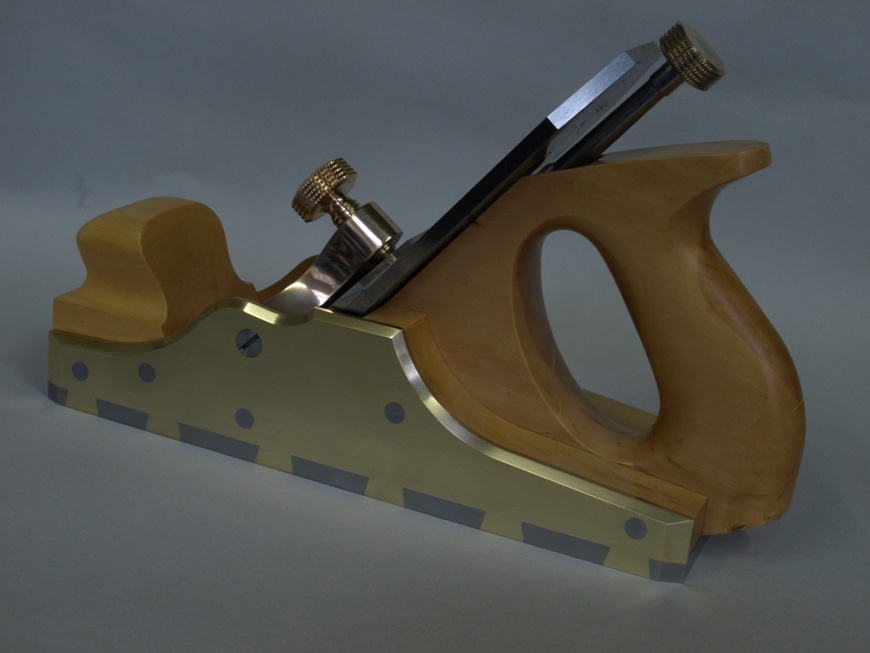
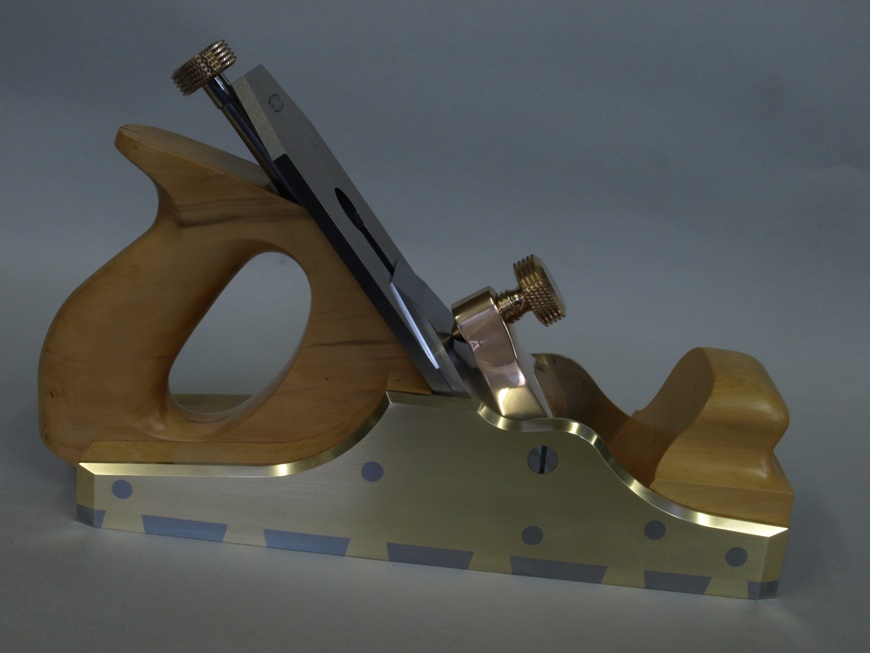
Just a few quick pictures of this Boxwood A13 I have just finished
A6 Smoothing Plane
At last I have managed to find a little bit more time for another entry in my blog. For this entry I have decided use some old pictures of an A6 in the making as I have come across some pictures which could be useful. As usual there are a lot of gaps in the picture diary and so I will start with the project already under way. I feel sure that it will still provide some interest.
This A6 is one of the least copied planes around but is one of my personal favourites. This is the real smoother as this plane is never much more than 7-7 .5 inches in length as its only job was for surface finishing. This pattern is one of the most traditional, a fully handled infill plane.
I have been congratulated by many for introducing this informative blog as it shows how different my work is from other plane makers either historic or contemporary. There are good plane makers but I feel that my methods set me apart.
“The nicest things about standards is that there are so many of them to choose from “ Andres S Tannenbaum.
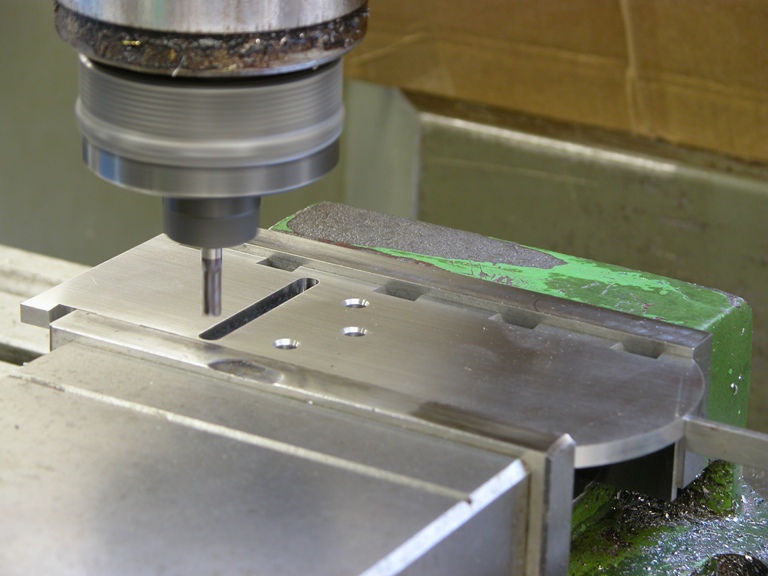
After all the profiling and dovetailing has been completed (this is the same process as with my other infill planes and has been documented elsewhere in these blogs), I can concentrate on the mouth and the frog. As you will see from the picture the mouth is slotted and the holes drilled in preparation for the frog riveting.
The person who commissioned this plane is no longer with us and I am not sure who owns this plane now. I did not stamp my name on it as it was not my design. With the wedge on runners it works well and is comfortable to use. Now I have dug the photo out it looks better than I remember and there could be possibilies with this design.
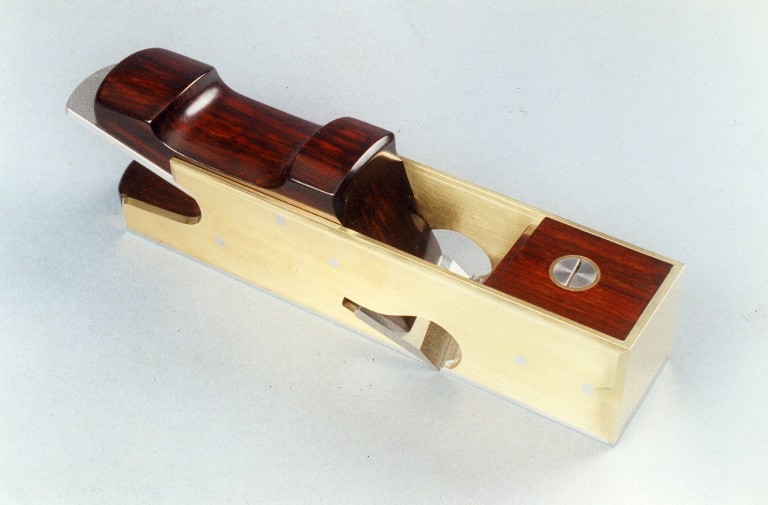
11-sa dovetailed smoothing / finishing plane
I have discovered a few pictures of work in progress, not the complete sequence, so decided to show what I have here.
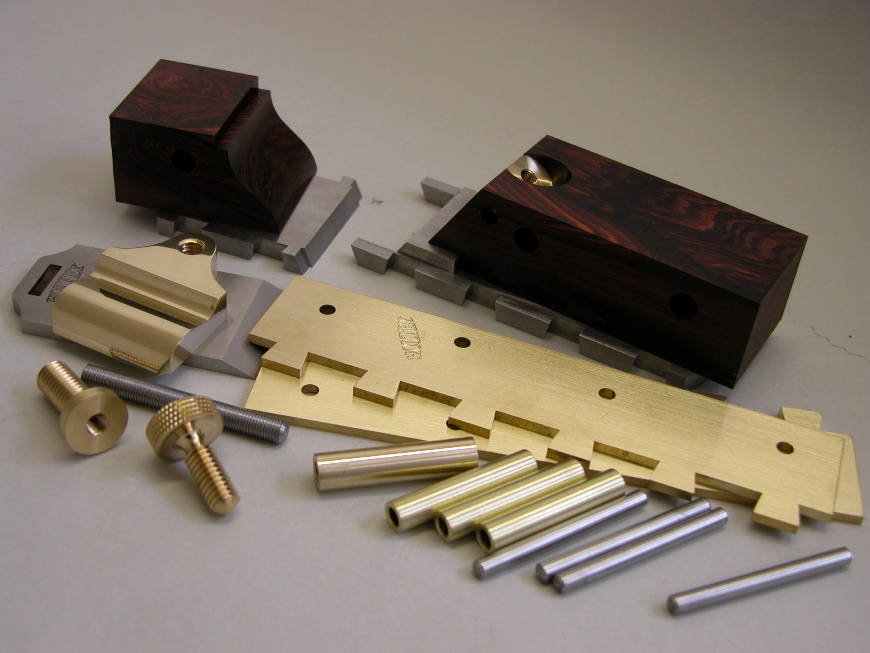
11-sa smoothing plane components before assembly.
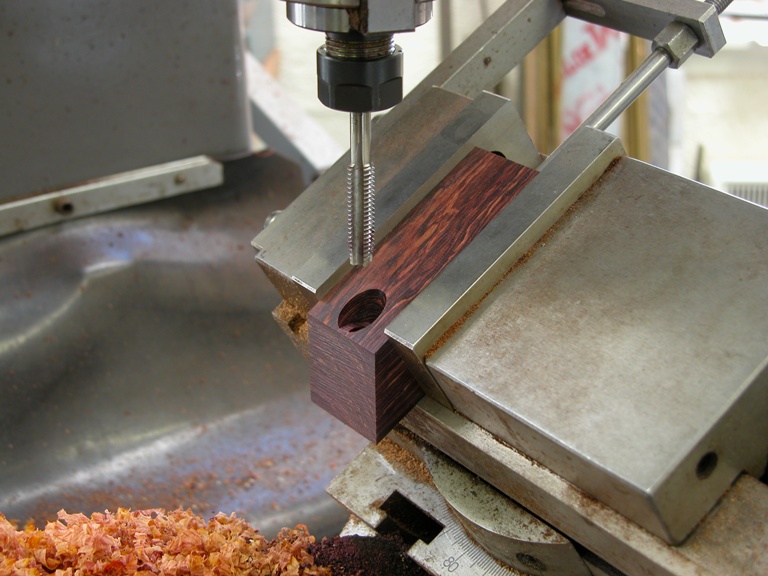
Tapping for adjuster bush after boring.
I have so many nice photos I have decided to put a gallery here for those who are interested. There is no text just pictures. It is a shame that the pictures had to be downsized.
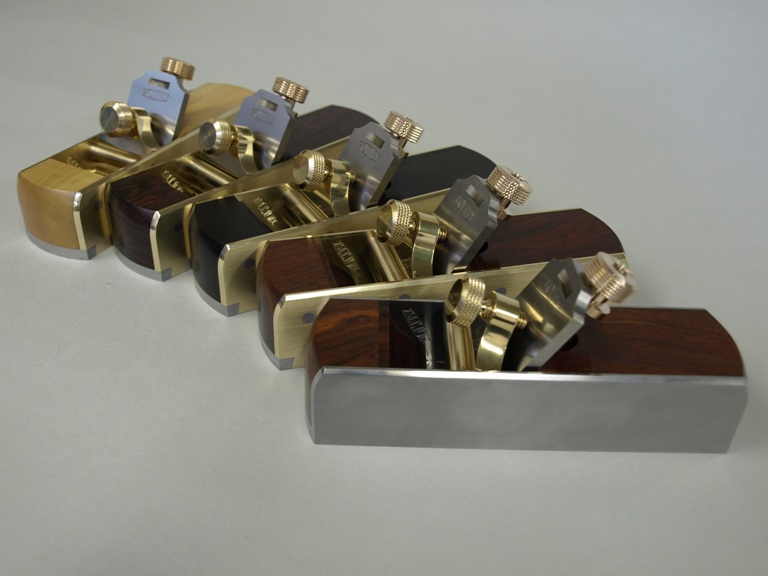
Spiers Style Shoulder plane -4
Apologies for the 4 week gap in postings for those of you who have been following my blog. I have been a bit busy with visitors (though always welcome it does tend to put me behind a bit), and the new project (transitional plane) keeps on snapping at me; it is coming along quite well if a bit piecemeal.
As I mentioned in the last posting that I had mislaid some pictures so here I am going to replace them with some from an A7 Norris type shoulder plane as they are very close in construction.
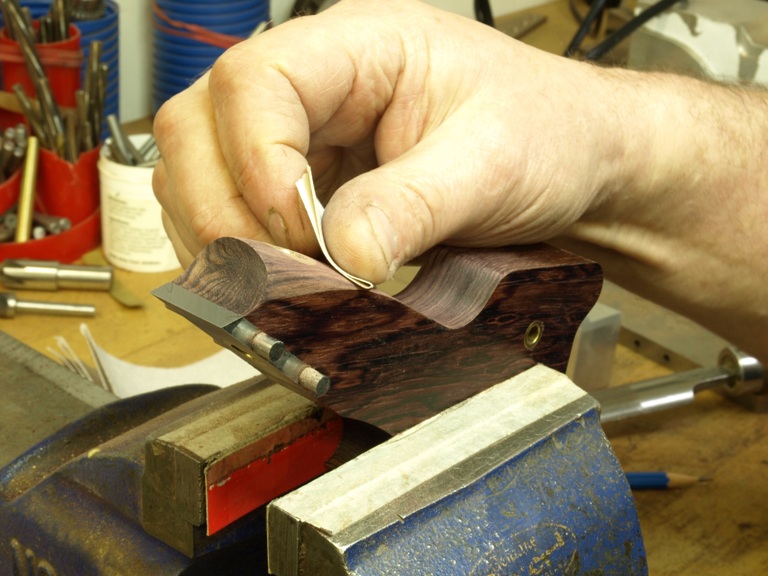
The front infill of an adjustable shoulder plane is probably the most complex infill of all my planes; especially as they are part of the adjuster design. This infill is integral with the bridge and the clamping screw bush. The clamping screw bush (which is illustrated in a previous posting) is screwed through the bridge. It also has a shoulder which secures the front part of the infill by clamping down on to a counterbore recess in the wood. This arrangement eliminates the need for a rivet here.
All the boring, counterboring and tapping is done in a set sequence whilst everything is in situ. After this process the whole plane is disassembled for further work. This includes the fixing of the infill to the bridge with the brass bush. With the fixing secure and complete the brass bush on the underside of the bridge can then be flushed off. By offering the filling back into position in the plane I can scribe the contour lines from the plane sides for reference for the shaping of the horn detail around the brass bush.
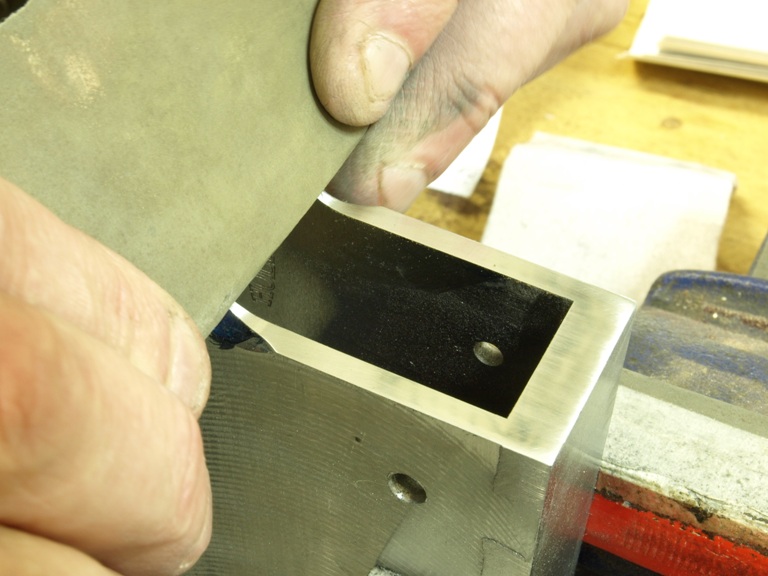
Here the rear end of the shoulder plane is polished before the blade bed is fitted, otherwise it would be inaccessible. This is typical of the importance of getting the sequence right throughout the whole project.
Spiers Style Shoulder plane - 3
I seem to have misplaced a few pictures along the way here but the blog is only intended as a glimpse of what goes on.
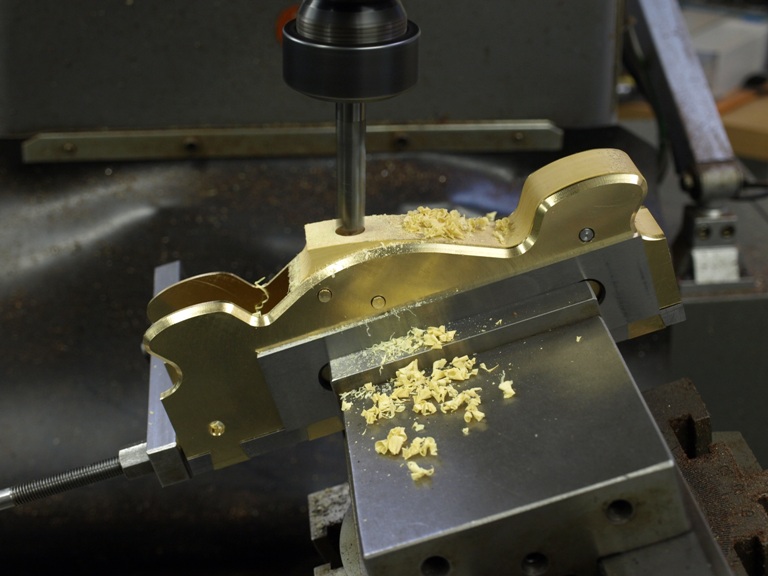
At this stage with the plane temporarily assembled I drill through the horn and the bridge with a pilot drill.
(more…)
Spiers Style Shoulder plane – 2
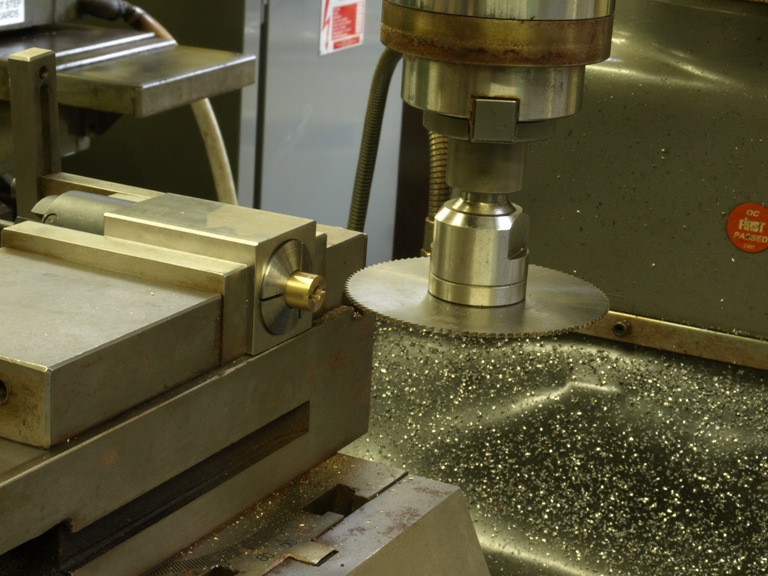
Difficult to define a name for this component; It certainly is a bush and it is threaded into the plane’s bridge which will also hold down one end of the front infill through the horn. This component also has an internal thread for the thumb screw that clamps the wedge. The picture shows a temporary screw driver slot being cut which will be removed after assembly.
Powered by WordPress